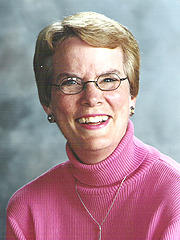
“The central job of schools is to maximize the capacity of each students.” SchoolJobsStudentsCapacity Author:Carol Ann Tomlinson
“In the field of education, educators know that they leave a lasting impact on their students for better or for worse. Trust is established or diminished in the classroom and very good educators understand that they are fallible. Despite their best efforts, they will not always do the best for each student.” KnowsEffortFieldsStudentsImpactVery GoodDespiteLastingClassroomDo The BestEducatorBest EffortLasting Impact Author:Carol Ann Tomlinson
“Creating a classroom environment that encourages students to take the risk of learning. We've known for a long time that when students lack a sense of safety or of belonging or of contribution, learning takes second place to meeting those needs.” NeedsLongKnownEnvironmentRiskStudentsCreatingLong TimeSafetyMeetingsContributionBelongingClassroomSecond PlaceEncourage Students Author:Carol Ann Tomlinson
“Important element is deeply understanding our curriculum. Most teachers know what they're going to cover this week or this term. Few of us can specify precisely what students should know, understand, and be able to do as a result of any particular learning experience or set of learning experiences. Without that specificity, alignment between content, assessment, and instruction is weak.” KnowsShouldImportantAbleUnderstandingTermResultsTeacherWeekStudentsParticularElementsWeakInstructionAlignmentAssessmentCurriculumLearning ExperienceSpecificity Author:Carol Ann Tomlinson
“We aren't quite sure what we're trying to differentiate, and therefore can't quite see how to do it other than giving some students more to cover and some less. That rarely works.” GivingTryingStudentsDifferentiate Author:Carol Ann Tomlinson
“We need to understand where are students are at any point during a unit - in other words, what each student actually knows, understands, and can do at a given time based on the content goals we've established.” KnowsNeedsGivenGoalCan DoStudentsUnits Author:Carol Ann Tomlinson
“We need to develop a robust set of tools - strategies and routines - that help us address student variance. It's easy to come to rely on two or three "trusty" instructional strategies like worksheets and lectures. Those are of little help in planning for a variety of student needs. As we develop a better toolbox, we're empowered to meet students where they are.” NeedsLittlesTwoHelpingThreeEasyStudentsToolsStrategyPlanningVarietyRelyAddressesLecturesEmpoweredRobustVarianceLittle HelpToolbox Author:Carol Ann Tomlinson
“It's important to know how to lead and manage a classroom with flexibility. Students of all ages are quite capable of learning these routines and contributing to their success once the teacher is comfortable guiding students in that direction.” KnowsImportantAgeKnow HowTeacherStudentsComfortableCapableManageClassroomFlexibilityContributing Author:Carol Ann Tomlinson
“Until a teacher learns to use elements like time, space, materials, groupings, and so forth flexibly, it's incredibly difficult to teach students as they need to be taught.” NeedsUseDifficultSpaceTeachTeacherStudentsTaughtMaterialsElements Author:Carol Ann Tomlinson
“On some level students are essentially the same. They are people with fears and dreams. They laugh and cry over many of the same things. They share an essential humanity as young people always have.hey differ in some significant ways now, too, I believe. They are forced to grapple with complex issues at a much younger age.” PeopleWayBelieveDreamAgeYoungHumanityI BelieveLevelsLaughingIssuesShareCryStudentsEssentialsComplexesSignificantHeyFears And Dreams Author:Carol Ann Tomlinson
“[Students] are exposed to many things the majority of their teachers didn't encounter until much later in their growing up years.” YearsGrowing UpTeacherGrowingStudentsMajorityEncountersExposed Author:Carol Ann Tomlinson
“[Students] are also accustomed to having quick access to information. The idea of "storing" data in their heads can seem pointless. I find that they are also much more interested in learning through problem solving and group collaboration than in the past.” IdeasProblemSeemsPastGroupsInformationStudentsAccessDataCollaborationProblem SolvingAccustomedPointlessAccess To Information Author:Carol Ann Tomlinson
“[Students] often have a "We can figure this out - don't just tell us" attitude. In that way, they can be less patient with "traditional" approaches to teaching.” WayAttitudeTeachingFiguresStudentsApproachPatientTraditional Author:Carol Ann Tomlinson
“I have find that today's students are often more tolerant of human variance than students in earlier generations might have been. On the other hand, some of our students need much more interaction with a wide variety of peers so they level of understanding deepens and so they are prepared to live in a world that is only going to get smaller.” WorldNeedsHumansHas BeensHandsMightTodayUnderstandingLevelsGenerationsStudentsPreparedWideVarietyInteractionPeersMight Have BeenVariance Author:Carol Ann Tomlinson
“We have students at the university say on a regular basis, "You're asking us to think and no one has ever done that in school."” ThinkingDoneSchoolStudentsBasesAskingUniversity Author:Carol Ann Tomlinson
“We're teaching a generation of students who've been schooled to produce quick, right answers on demand. They are not comfortable with ambiguity. The implications of that in the long term are discomforting.” LongTermAnswersGenerationsTeachingStudentsProduceDemandComfortableLong TermAmbiguityImplicationsSchooledRight Answers Author:Carol Ann Tomlinson
“I think [testing] has had a profoundly problematic impact on student learning. It must seem to students that their worth as individuals is equivalent to their test score. The stress the high stakes culture has on teachers is also highly negative and must surely impact students in a negative way. It also de-professionalizes teachers because it encourages them to be script readers, followers of rigid schedules, and to disregard the needs of the people they teach in favor of the scripts and schedules.” PeopleThinkingWayNeedsSeemsCultureIndividualTeachTeacherStudentsReaderNegativeTestsStressImpactScriptsFavorsScoreFollowersStakesSchedulesTestingDisregardStudent LearningTest Scores Author:Carol Ann Tomlinson
“We need teacher educators who regularly spend a great deal of time in classrooms so they have a deep understanding of where they students will teach.” NeedsUnderstandingDealsTeachTeacherStudentsClassroomEducatorDeep Understanding Author:Carol Ann Tomlinson
“We need teacher educators who are hungry to learn about and implement contemporary approaches to teaching and learning in their own classrooms and who are reflective about their work with their students.” NeedsTeacherTeachingStudentsApproachHungryContemporaryClassroomEducatorTeaching And Learning Author:Carol Ann Tomlinson
“Differentiation is simply a teacher attending to the learning needs of a particular student or small groups of students, rather than teaching a class as though all individuals in it were basically alike.” NeedsIndividualClassTeacherGroupsTeachingStudentsParticularAttendingSmall GroupsDifferentiation Author:Carol Ann Tomlinson
“Interest refers to student’s affinity, curiosity, or passion for a particular topic or skill.” PassionInterestStudentsParticularSkillsCuriosityTopicsAffinity Author:Carol Ann Tomlinson
“Readiness is a student’s entry point relative to a particular understanding or skill.” UnderstandingStudentsParticularSkillsRelativeEntryReadiness Author:Carol Ann Tomlinson
“In differentiated classrooms, teachers begin where students are, not the front of a curriculum guide.” TeacherFrontsStudentsGuidesClassroomCurriculum Author:Carol Ann Tomlinson
“Differentiated Instruction is a teaching philosophy based on the premise that teachers should adapt instruction to student differences. Rather than marching students through the curriculum lockstep, teachers should modify their instruction to meet students' varying readiness levels, learning preferences, and interests. Therefore, the teacher proactively plans a variety of ways to 'get it' and express learning.” WayShouldPhilosophyInterestDifferencesLevelsTeacherPlansTeachingStudentsVarietyInstructionPreferencePremisesReadinessCurriculum Author:Carol Ann Tomlinson