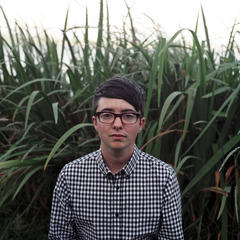
“My work is heavily influenced by critiques that many critical intellectual traditions, especially Critical Race Theory, have made of reform projects focused on legal equality.” MadeRaceTheoryProjectsIntellectualTraditionCriticalFocusedReformCritique Author:Dean Spade
“Critical Race Theory offers of discrimination frameworks as ways of understanding and eradicating racism. The focus on "discrimination" as the way to understand racism in the US has meant that racism is considered a question of discriminatory intentions - whether or not somebody intentionally left someone out or did something harmful because of their biased feelings about a person's race. This focus on individual racists with bad ideas hides the reality that racism exists wherever conditions of racialized maldistribution exist.” WayPersonsIdeasFeelingsRealityIndividualLeftUnderstandingRaceFocusConditionsTheoryOffersRacismIntentionCriticalDiscriminationRacistFrameworkBad IdeasBiased Author:Dean Spade
“Critical Race Theory offers a critique of how law and certain law reform strategies misunderstand the actual operation of life-shortening state violence, and how that has produced a set of reforms that fail to actually transform material conditions of white supremacy. These critiques redirect our attention to the conditions we aim to transform.” StatesLawCertainWhiteRaceAttentionViolenceFailingConditionsMaterialsTheoryOffersAimStrategyCriticalReformOperationsWhite SupremacyCritiqueSupremacy Author:Dean Spade
“I went to law school which is a 3-year program in the US that is focused primarily on memorizing certain doctrines and taking exams that test whether you can apply those doctrines to help prepare for the bar exam. If you are lucky, you get a few classes where you are encouraged to think more critically and read critical texts rather than just casebooks, and perhaps write a paper that is not a legal memo or brief.” IfsThinkingWritingYearsHelpingSchoolLawCertainClassLuckyPaperProgramTestsCriticalFocusedBarsDoctrineWhere You AreExamLaw SchoolLucky YouMemorizingMemosBar Exam Author:Dean Spade
“Because my graduate academic training at law school was not one that included most of the intellectual traditions I find useful for understanding the conditions and problems that most concern me - anti-colonial theories, Foucault, critical disability studies, prison studies and the like are rarely seen in standard US Law School curricula, where students are still fighting on many campuses to get a single class on race or poverty offered - I developed most of my thinking about these topics through activist reading groups and collaborative writing projects with other activist scholars.” ThinkingWritingStillsProblemSchoolLawFightingReadingUnderstandingRaceClassPovertyStudyGroupsConditionsStudentsTheoryProjectsIntellectualTrainingStandardsConcernTraditionPrisonCriticalActivistDisabilityGraduatesAcademicScholarTopicsCampusLaw SchoolFighting On Author:Dean Spade
“I often notice how students can gain the capacity to use certain critical methodologies through engaging with very different texts - how a graphic novel about gentrification and an anthology about Hurricane Katrina and a journalistic account of war profiteering might all lead to very similar classroom conversations and critical engagement. I'm particularly interested in this when teaching law students who often resist reading interdisciplinary materials or materials they interpret as too theoretical.” DifferentWarUseMightLawCertainReadingNovelTeachingStudentsMaterialsConversationGainsCapacityAccountsCriticalEngagementClassroomEngagingTheoreticalGraphicHurricanesAnthologyMethodologyKatrinaGraphic NovelsJournalisticHurricane KatrinaGentrificationLaw StudentsInterdisciplinary Author:Dean Spade
“I strive to find materials that will engage students, expand their capacities as critical readers and thinkers, and feel immediately relevant to their daily lives and future work in court and social service systems.” FeelsSocialStudentsMaterialsReaderCapacityCourtStriveCriticalDaily LifeThinkerRelevantSocial ServiceFuture Work Author:Dean Spade
“I am often talking about the ideas collected in Normal Life in contexts that are not academic, or that are full of people who are not primarily engaging as theorists or theory-readers. Being able to make ideas visual, especially critical ideas about movements that can be difficult to hear because of attachments we have to certain national narratives, or because of ways that we see ourselves, is especially useful.” PeopleWayIdeasAbleCertainDifficultTalkingMovementTheoryReaderNormalCriticalNarrativeVisualsAttachmentAcademicEngagingNormal LifeTheorists Author:Dean Spade
“In recent years I have become more interested in making the critical ideas that I love teaching and talking about available in more forms, because many people prefer to engage with ideas in films, infographics, comics and other forms that are not traditional books or articles.” PeopleYearsBookIdeasFilmFormTalkingTeachingAvailableCriticalTraditionalArticlesLove Teaching Author:Dean Spade