Quotessence
Home / Authors / Doris Kearns Goodwin
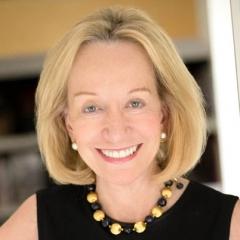
Doris Kearns Goodwin

Doris Kearns Goodwin Quotes

Historian

Filter quotes by topic

Famous Doris Kearns Goodwin Quotes

“Lyndon Johnson is still the most formidable, fascinating, frustrating, irritating individual I think I've ever known in my entire life. He was huge, a huge character, not only standing six feet four, but when you talked to him, he violated the normal human space between people. He was a great storyteller. The problem was that half his stories, I discovered, weren't true.”

“Even though Lyndon Johnson's presidency was in many ways scarred forever by the war in Vietnam, and destroyed in a lot of ways, he - as a character - was even larger than his presidency. Being able to get to know him well, that firsthand relationship with this large character, I think is what drew me to writing books about presidents.”

“I've chosen to be a commentator and an analyzer of politics, rather than an actual doer of it. I think it could have gone the other way, but I'm not sorry that it didn't, because this made it easier to be home with my kids and to spend time with them. Writing you can do right in your house. You don't have to go anywhere.”

“I think the most important thing I wanted to say at various times to Franklin and Eleanor Roosevelt was that it seemed so sad to me that - I really believe they loved each other and had a great deal of affection - but because of that early hurt in their marriage, there was a certain kind of distance from then on, until their deaths actually. So at times, I just wanted to push them together and say, "Come on, you guys! I know you love each other. This is crazy!"”

“When you are an historian, there's probably nothing that matters more than to be recognized by your colleagues in your own profession. I was lucky enough to win the Pulitzer Prize for History. I had to give a talk right after that to some young people. The most important thing to tell them, I think, is that you can't ever know that it's going to turn out that way.”

“What I think I've learned is that you're never going to get it all right, and you can't obsess about having a fact wrong or a date wrong or something like that, as long as you tried as best you could. If you've done the kind of research that you're sure is pretty good, then you just have to have confidence in it, so that nothing is perfect in life. I think that is what the criticism has helped me to understand.”

“I keep thinking that history runs in cycles, and that some day certain large issues will come before the country again. There will be leaders that inspire young people. I don't think it means that it's over forever, but I'm getting pretty impatient. I'm hoping it comes soon, so that my young people can know that experience that we knew in the '60s, and that the World War II generation knew during the '40s.”

“What the American Dream means to me is the fact that - what founded this country - when I think about those posters that were put up in Europe, which said, "Come to America and you'll have golden sidewalks. The land will be yours." There was something so inspirational about the fact that these immigrants from all over the world felt that here was a place of freedom, a place of opportunity.”

“I think if I were reading to a grandchild, I might read Tolstoy's War and Peace. They would learn about Russia, they would learn about history, they would learn about human nature. They would learn about, "Can the individual make a difference or is it great forces?" Tolstoy is always battling with those large issues. Mostly, a whole world would come alive for them through that book.”

“I think the most important advice is, a person doesn't have to find out right away. It's not like their first attempt at finding a profession is the only one they're going to find. I might well have gone down other paths, and it still might have been okay. But if you find something that you love, and if it keeps deepening with each new experience, then just stay with it.”