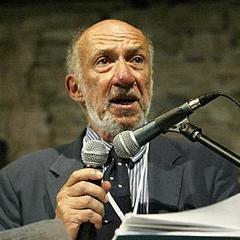
“This kind of totalization of security consciousness [after tragedy of 9/11] has the effect within classrooms (and beyond) of constraining the imagination and reinforcing attitudes that privilege the forces of law and order as against the crosscurrents of freedom and dissent.” KindLawOrderForceImaginationConsciousnessAttitudeEffectsSecurityTragedyPrivilegeClassroomDissentLaw And Order Author:Richard A. Falk
“Historically, international law lent a measure of legality to the colonial system, and allowed the West to set the rules for participation as a sovereign state on a global level. It also protected the interests of foreign investment in countries of the global South even when these were exploitative, and deprived countries of the benefits of resources situated within their territories.” CountryStatesLawInterestLevelsBenefitsResourcesWestInvestmentSouthInternationalTerritoryProtectedSovereignParticipationDeprivedInternational LawLegality Author:Richard A. Falk
“The idea of self-determination was gradually given credibility by international law, and it lent strong emancipatory support to movements of liberation struggling against a West-centric world order. Latin American countries used international law creatively, both to limit the protection of foreign investment by establishing the primacy of national sovereignty in relation to natural resources, and by building support for the norm on non-intervention in internal affairs.” WorldIdeasSelfCountryLawUsedOrderStrongGivenNaturalSupportStruggleMovementBuildingLimitsResourcesDeterminationRelationWestInvestmentAffairInternationalProtectionLiberationInternalsLatinSelf DeterminationSovereigntyNormInterventionCredibilityLatin AmericaNatural ResourcesWorld OrderInternational LawLatin AmericanPrimacyInternal AffairsNational Sovereignty Author:Richard A. Falk
“Both Israel and the United States have mounted attacks on 'lawfare', that is, counter-hegemonic uses of international law to question policies associated with the occupation of Palestine and criminal tactics of warfare.” StatesUseLawUnitedUnited StatesPolicyInternationalIsraelCriminalsOccupationWarfarePalestineTacticsInternational Law Author:Richard A. Falk
“Human rights and international criminal law both illustrate the contradictory potential of international law. On one level, the imposition of human rights norms is a restraint on interventionary diplomacy, especially if coupled with respect for the legal norm of self-determination. But on another level, the protection of human rights creates a pretext for intervention as given approval by the UN Security Council in the form of the R2P (responsibility to protect) norm, as used in the 2011 Libyan intervention. The same applies with international criminal accountability.” IfsHumansSelfFormLawUsedGivenLevelsResponsibilityRightsSecurityProtectDeterminationInternationalHuman RightsProtectionCriminalsAccountabilitySelf DeterminationApprovalRestraintNormDiplomacyCouncilInterventionContradictoryPretextInternational LawImpositionSecurity CouncilCriminal LawResponsibility To Protect Author:Richard A. Falk
“International law in its counter-hegemonic uses is very important in any domain where issues of legitimacy are significant, but is rarely able to have a corresponding behavioural impact.” ImportantUseAbleLawIssuesImpactInternationalSignificantDomainLegitimacyCorrespondingInternational Law Author:Richard A. Falk
“The main challenge is what to do in the face of double standards. Those who should be rendered accountable under international criminal law, the Kissingers of this world, enjoy de facto impunity, while those who come from countries that have long been targets of hegemonic abuse are used as poster children of accountability.” WorldShouldChildrenLongCountryFacesLawUsedEnjoyChallengesThis WorldStandardsAbuseInternationalCriminalsAccountabilityTargetPostersDouble StandardImpunityCriminal LawKissinger Author:Richard A. Falk
“This issue of expanding the reach of international criminal law by reliance on the use of Universal Jurisdiction by domestic courts needs to be balanced against the injustice of according impunity to those with strong geopolitical backing. It is notable that several western European countries backtracked on UJ after threats of retaliatory moves by the United States and Israel. There is no doubt that the domain of UJ is a geopolitical battleground.” NeedsCountryStatesUseMovingLawStrongUnitedUnited StatesIssuesDoubtUniversalCourtThreatWesternInjusticeInternationalIsraelCriminalsNo DoubtBalancedExpandingDomainRelianceNotableImpunityEuropean CountriesJurisdictionCriminal LawBattlegroundGeopolitical Author:Richard A. Falk
“The fact that Universal Jurisdiction exists in relation to serious international crimes does convey two important aspects of the global reality: first, that such individuals would be held accountable if international law was applied without regard to geopolitics, and second, that there is enough ambiguity about the reach of UJ that it inhibits such individuals and conveys an impression of de facto criminality.” IfsFirstsDoeTwoImportantEnoughFactsRealityWould BeLawIndividualCrimeSeriousAspectUniversalRelationRegardInternationalImpressionAmbiguityGeopoliticsInternational LawCriminalityJurisdiction Author:Richard A. Falk
“On the cautionary side, Universal Jurisdiction could be used to achieve some kind of ideologically motivated criminalisation of 'the other' that would discredit and derail a constructive effort to develop a credible meta-law that governs the behaviour of leaders of sovereign states.” KindStatesLawUsedSidesEffortLeaderAchieveUniversalMotivatedBehaviourSovereignConstructiveCredibleDiscreditJurisdiction Author:Richard A. Falk