“If we confine ourselves to a general and distant reflection on the ills of human life, that can have no effect to prepare us for them. If by close and intense meditation we render them present and intimate to us, that is the true secret for poisoning all our pleasures, and rendering us perpetually miserable.”
Quote by David Hume
Work
Delphi Complete Works of David Hume (Illustrated)
The Delphi Complete Works of David Hume (Illustrated) is a meticulously curated compilation of Hume's extensive writings, covering his philosophical, historical, and political essays. This illustrated edition aims to provide readers with a rich and accessible experience of Hume's intellectual contributions, featuring detailed illustrations that complement the text. more
Author
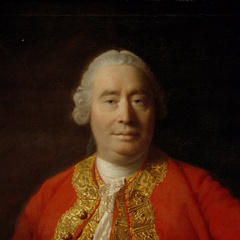
David Hume
David Hume, born on May 7, 1711, in Edinburgh, Scotland, and died on August 25, 1776, was an outstanding philosopher, historian, and economist. Known for his contributions to empiricism and skepticism, his works have had a profound impact on subsequent philosophy, economics, and psychology. more
You May Also Like
Source: Dialogues Concerning Natural Religion (Second Edition)
Source: An Enquiry Concerning Human Understanding
Source: A Treatise of Human Nature
Source: Dialogues sur la religion naturelle
Source: An Enquiry Concerning Human Understanding: Revision of Great Book
Source: The Philosophy of David Hume
Source: An Enquiry Concerning Human Understanding ; [with] A Letter from a Gentleman to His Friend in Edinburgh ; [and] An Abstract of a Treatise of Human Nature
Source: An Enquiry Concerning the Human Understanding: And An Enquiry Concerning the Principles of Morals
Source: A Dissertation on the Passions: The Natural History of Religion : a Critical Edition
Source: Essays and Treatises on Several Subjects