“Many guilty consciences have been created by the slave trade. Europeans know that they carried on the slave trade, and Africans are aware that the trade would have been impossible if certain Africans did not cooperate with slave ships. To ease their guilty consciences, Europeans try to throw the major responsibility for the slave trade on to the Africans. One major author on the slave trade (appropriately titled Sins of Our Fathers) explained how many white people urged him to state that the trade was the responsibility of African chiefs, and that Europeans merely turned up to buy captives- as though without European demand there would have been captives sitting on the beach by the millions! Issues such as those are not the principal concern of this study, but they can be correctly approached only after understanding that Europe became the center of a world-wide system and that it was European capitalism which set slavery and the Atlantic slave trade in motion.”
Quote by Walter Rodney
Work
How Europe Underdeveloped Africa
This book delves into the complex interactions between Europe and Africa, exploring the impact of colonialism, trade, and economic policies on the development of African nations. It provides a comprehensive examination of the historical and contemporary challenges faced by Africa in its pursuit of development. more
Author
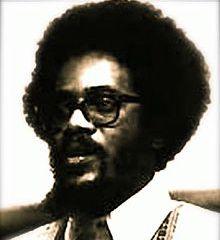
Walter Rodney
Walter Rodney was a prominent historian known for his in-depth research into the history of the Caribbean region. Born on March 23, 1942, and passing away on June 13, 1980, Rodney's work emphasized the historical connections between Africa and the Caribbean, and critically analyzed colonialism and racism. more
You May Also Like
Source: Of Bodies Changed
“Victors do not investigate their own crimes, so that little is known about them...”
Source: Tau Zero
Source: The Spider's House
Source: The Power of Myth
Source: The Perpetual Calendar of Inspiration