“The sceptics assert, though absurdly, that the origin of all religious worship was derived from the utility of inanimate objects,as the sun and moon, to the support and well-being of mankind.”
Quote by David Hume
Work
An Enquiry Concerning the Principles of Morals
This book delves into the nature of moral philosophy, examining the origins and implications of moral values and ethical conduct in human society. more
Author
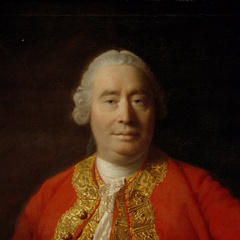
David Hume
David Hume, born on May 7, 1711, in Edinburgh, Scotland, and died on August 25, 1776, was an outstanding philosopher, historian, and economist. Known for his contributions to empiricism and skepticism, his works have had a profound impact on subsequent philosophy, economics, and psychology. more
You May Also Like
Source: Dialogues and Natural History of Religion
Source: Dialogues and Natural History of Religion
Source: Dialogues and Natural History of Religion
Source: An inquiry concerning human understanding. A dissertation on the passions. An inquiry concerning the principles of morals. The natural history of religion
Source: Essays and treatises on several subjects: essays, moral, political and literary
Source: Essays and Treatises on Several Subjects
Source: A Dissertation on the Passions: The Natural History of Religion : a Critical Edition