Quotessence
Home / Quotes / Quote by Frederick Buechner

Quote by Frederick Buechner

Work

Wishful Thinking: A Seeker's ABC

Browse quotes and source details for this work. more

Author
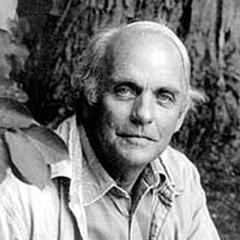
Frederick Buechner
Frederick Buechner

Frederick Buechner, born on July 11, 1926, is a renowned American writer. His works span across various genres including novels, essays, and plays, known for their profound religious and philosophical reflections. more

You May Also Like

“Kuna vita za aina mbili zinazopiganwa hapa duniani: vita ya maisha na vita ya dhambi. Unaweza kushinda vita ya maisha (maisha ya raha) lakini ukashindwa vita ya dhambi (maisha ya laana). Kushinda vita ya dhambi ni lazima umkaribishe Mwana wa Mungu Mfalme wa Amani, Yesu Kristo wa Nazareti Aliye Hai, kama Bwana na Mwokozi wa maisha yako.”

“As for the vice of lust - aside from what it means for spiritual persons to fall into this vice, since my intent is to treat of the imperfections that have to be purged by means of the dark night - spiritual persons have numerous imperfections, many of which can be called spiritual lust, not because the lust is spiritual but because it proceeds from spiritual things. It happens frequently that in a person's spiritual exercises themselves, without the person being able to avoid it, impure movements will be experienced in the sensory part of the soul, and even sometimes when the spirit is deep in prayer or when receiving the sacraments of Penance or the Eucharist. These impure feelings arise from any of three causes outside one's control. First, they often proceed from the pleasure human nature finds in spiritual exercises. Since both the spiritual and the sensory part of the soul receive gratification from that refreshment, each part experiences delight according to its own nature and properties. The spirit, the superior part of the soul, experiences renewal and satisfaction in God; and the sense, the lower part, feels sensory gratification and delight because it is ignorant of how to get anything else, and hence takes whatever is nearest, which is the impure sensory satisfaction. It may happen that while a soul is with God in deep spiritual prayer, it will conversely passively experience sensual rebellions, movements, and acts in the senses, not without its own great displeasure. This frequently happens at the time of Communion. Since the soul receives joy and gladness in this act of love - for the Lord grants the grace and gives himself for this reason - the sensory part also takes its share, as we said, according to its mode. Since, after all, these two parts form one individual, each one usually shares according to its mode in what the other receives. As the Philosopher says: Whatever is received, is received according to the mode of the receiver. Because in the initial stages of the spiritual life, and even more advanced ones, the sensory part of the soul is imperfect, God's spirit is frequently received in this sensory part with this same imperfection. Once the sensory part is reformed through the purgation of the dark night, it no longer has these infirmities. Then the spiritual part of the soul, rather than the sensory part, receives God's Spirit, and the soul thus receives everything according to the mode of the Spirit.”

“Sometimes, too, when their spiritual masters, such as confessors and superiors, do not approve of their spirit and behavior (for they are anxious that all they do shall be esteemed and praised), they consider that they do not understand them, or that, because they do not approve of this and comply with that, their confessors are themselves not spiritual. And so they immediately desire and contrive to find some one else who will fit in with their tastes; for as a rule they desire to speak of spiritual matters with those who they think will praise and esteem what they do, and they flee, as they would from death, from those who disabuse them in order to lead them into a safe road—sometimes they even harbour ill-will against them. Presuming thus, they are wont to resolve much and accomplish very little. Sometimes they are anxious that others shall realize how spiritual and devout they are, to which end they occasionally give outward evidence thereof in movements, sighs and other ceremonies; and at times they are apt to fall into certain ecstasies, in public rather than in secret, wherein the devil aids them, and they are pleased that this should be noticed, and are often eager that it should be noticed more.”