Quotessence
Home / Quotes / Quote by Laurence Tribe

Quote by Laurence Tribe

“One of the most extraordinary examples in recent decades [of unitary visions of constitutional enterprise] is found in a book called "Takings"... Epstein makes an extremely clever but stunningly reductionist argument that the whole Constitution is really designed to protect private property... Can a constitution reflecting as diverse an array of visions and aspirations as ours really be reducible to such as sadly single-minded vision as that?”

Quote by Laurence Tribe

Author
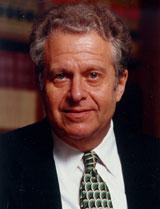
Laurence Tribe
Laurence Tribe

Laurence Tribe is a renowned American constitutional scholar and professor. Born on October 10, 1941, he is known for his profound insights into constitutional interpretation and theory. more

You May Also Like

“Companies like Enron have learned that small investments in endowing chairs, sponsoring research programs or hiring moonlighting professors can return big payoffs in generating books, reports, articles, testimony and other materials to push for and rationalize public policy positions that damage the public interest but benefit corporate bottomlines.”

“Though editorialists at The New York Times and The Washington Post still don't get it, most Democrats in Congress finally do: Today's trade disputes are no longer mostly about tariffs, quotas, or free entry of goods. They are about the ground rules for capitalism. Are there to be only property rights? What about the other rights that liberal democracies have fought for since the 1880s?”

“One cannot overstate the childishness of the ideas that feed and stir the masses. Real ideas must as a rule be simplified to the level of a child's understanding if they are to arouse the masses to historic actions. A childish illusion, fixed in the minds of all children born in a certain decade and hammered home for four years, can easily reappear as a deadly serious political ideology twenty years later.”

“The key reason executives are paid so much now is that they appoint the members of the corporate board that determines their compensation and control many of the perks that board members count on. So it's not the invisible hand of the market that leads to those monumental executive incomes; it's the invisible handshake in the boardroom.”