Quotessence
Home / Quotes / Quote by Eleanor Rathbone

Quote by Eleanor Rathbone

“continually measuring women's wants by men's achievements seems out of date, ignominious, and intolerably boring. ... Now that we have secured possession of the tools of citizenship, we intend to use them not to copy men's models but to produce our own.”

Quote by Eleanor Rathbone

Work

Our freedom and its results

This book delves into the multifaceted nature of freedom, examining its historical, philosophical, and practical dimensions. It analyzes the consequences of freedom on individuals, communities, and nations, offering a nuanced understanding of the complex relationship between liberty and its outcomes. more

Author
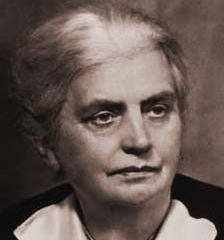
Eleanor Rathbone
Eleanor Rathbone

British MP, social reformer, and human rights activist, renowned for her work on women's rights and equality issues. more

You May Also Like

“the explanation of the ebb and flow of the women's movement ... is partly psychological. During those early post-war years when successes came thick and fast and were almost thrust upon us, the nation was still under the influence of the reconstruction spirit, when everything seemed possible ... A few years later the nation had reached the stage which follows a drinking bout. It was feeling ruefully in its empty pockets. It did not want to part with anything to anybody. Its head ached. Noble sentiments made it feel sick. It wanted only to be left alone.”

“[On affirmative action:] Universities give a boost in admissions for other factors besides race, factors that bring no social benefit, such as athletic ability, celebrity of parents, and alumni connections. It is remarkable how little agitation there is against those practices.”

“The liberation of women from exclusive domesticity did not originate in feminist books, or a war, or a big inflation, although they contributed to its progress. The rising enrollment of women in the paid labor force is a straightforward consequence of the industrial revolution of two hundred years ago.”

“Intelligence is derived from two words - inter and legere - inter meaning 'between' and legere meaning 'to choose'. An intelligent person, therefore, is one who has learned 'to choose between'. He knows that good is better than evil, that confidence should supersede fear, that love is superior to hate, that gentleness is better than cruelty, forbearance than intolerance, compassion than arrogance, and that truth has more virtue than ignorance.”