“In a democracy, the majority of the citizens is capable of exercising the most cruel oppressions upon the minority.”
Quote by Edmund Burke
Work
Reflections on the Revolution in France: And on the Proceedings in Certain Societies in London Relative to that Event. In a Letter Intended to Have Been Sent to a Gentleman in Paris
This work is a detailed examination of the French Revolution, offering insights into its causes, progression, and consequences. The author, a prominent figure of the time, provides a critical perspective on the events from London, reflecting on the revolution's influence on British society and its political institutions. The letter format adds a personal touch to the discourse, as the author addresses his thoughts to a friend in Paris. more
Author
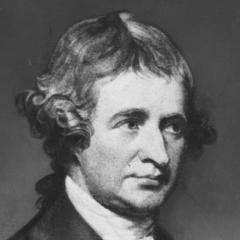
Edmund Burke
Edmund Burke, a British statesman and writer, was born on January 12, 1729, and died on July 9, 1797. He was one of the most prominent political thinkers of the 18th century, known for his profound insights into liberty, democracy, and conservatism. more
You May Also Like
Source: Tigerheart
Source: Silent in the Grave
Source: Harry, A History - Enhanced with Videos and Exclusive J.K. Rowling Interview: The True Story of a Boy Wizard, His Fans, and Life
Source: When God Was A Woman
Source: Cat's Cradle: A Novel
Source: The Complete Lumatere Chronicles
Source: DUNE