“"Well," said my aunt, "this is his boy - his son. He would be as like his father as it's possible to be, if he was not so like his mother, too."”
Quote by Charles Dickens
Work
The Works of Charles Dickens
This compilation brings together the major literary output of Charles Dickens, one of the most influential English novelists of the 19th century. The works included span his entire career, from early picaresque tales to later, more somber narratives. They are noted for their memorable characters, intricate plots, and keen observations of social conditions in industrial England. The collection typically features his most famous novels such as Oliver Twist, A Tale of Two Cities, and Great Expectations, alongside lesser-known pieces, offering readers a broad view of his thematic concerns including poverty, justice, and human resilience. more
Author
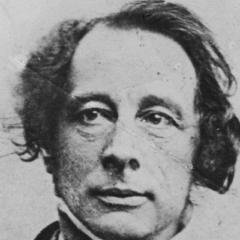
Charles Dickens
Charles Dickens, a British writer born on February 7, 1812, and died on June 9, 1870, is one of the greatest novelists of the 19th century. Known for his profound social criticism and vivid narrative style, Dickens' works extensively cover social reality, revealing various issues in the British society of the time. more
You May Also Like
Source: The posthumous papers of the Pickwick Club
Source: THE GREATEST DICKENS CLASSICS (Illustrated Edition): Oliver Twist, The Pickwick Papers, Great Expectations, A Tale of Two Cities, Hard Times, David Copperfield, A Christmas Carol, Bleak House, Little Dorrit, Our Mutual Friend, The Life of Dickens
Source: The posthumous papers of the Pickwick Club
Source: THE MYSTERY OF EDWIN DROOD, MASTER HUMPHREY'S CLOCK, AND SKETCHES BY
“It is an old prerogative of kings to govern everything but their passions.”
Source: The posthumous papers of the Pickwick Club
Source: The Mystery of Edwin Drood and Other Pieces
Source: The Complete Works of Charles Dickens: Edwin Drood and Miscellaneous
Source: The Pickwick Papers: The Posthumous Papers of the Pickwick Club
Source: The posthumous papers of the Pickwick Club