“As the nature deficit grows, another emerging body of scientific evidence indicates that direct exposure to nature is essential for physical and emotional health. For example, new studies suggest that exposure to nature may reduce the symptoms of Attention Deficit Hyperactivity Disorder (ADHD), and that it can improve all children's cognitive abilities and resistance to negative stresses and depression.”
Quote by Richard Louv
Author
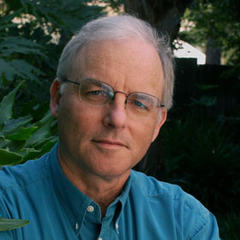
Richard Louv
Richard Louv, born in 1949, is a renowned author whose work primarily focuses on the relationship between humans and nature, particularly the relationship between children and nature. Louv's works have had a profound impact on the fields of environmental protection and education. more
You May Also Like
Source: Last Child in the Woods: Saving our Children from Nature-Deficit Disorder
Source: Last Child in the Woods: Saving our Children from Nature-Deficit Disorder
Source: Last Child in the Woods: Saving our Children from Nature-Deficit Disorder
Source: Tender Darkness: A Mary MacLane Sampler
Source: I Await the Devil's Coming: The Story of Mary MacLane