Quotessence
Home / Quotes / Quote by Richard Louv

Quote by Richard Louv

Work

Last Child in the Woods: Saving our Children from Nature-Deficit Disorder

The book delves into the concept of nature-deficit disorder, a term coined by the author, and examines how spending time in natural environments can contribute to the well-being of young individuals. It offers insights into the benefits of outdoor play and the potential consequences of a lack of nature in children's lives. more

Author
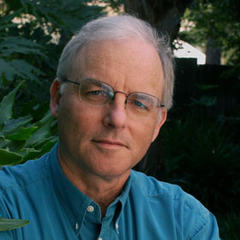
Richard Louv
Richard Louv

Richard Louv, born in 1949, is a renowned author whose work primarily focuses on the relationship between humans and nature, particularly the relationship between children and nature. Louv's works have had a profound impact on the fields of environmental protection and education. more

You May Also Like

“Nature-deficit disorder describes the human costs of alienation from nature, among them: diminished use of the senses, attention difficulties, and higher rates of physical and emotional illnesses. The disorder can be detected in individuals, families, and communities.”

“It takes time--loose, unstructured dreamtime-- to experience nature in a meaningful way. Unless parents are vigilant, such time becomes a scarce resource, not because we intend it to shrink, but because time is consumed by multiple, invisible forces; because our culture currently places so little value on natural play.”

“Now, my tree-climbing days long behind me, I often think about the lasting value of those early, deliciously idle days. I have come to appreciate the long view afforded by those treetops. The woods were my Ritalin. Nature calmed me, focused me, and yet excited my senses.”

“The Centers for Disease Control (CDC) reports that the number of overweight adult Americans increased over 60 percent between 1991 and 2000. According to CDC data, the U.S. population of overweight children between ages two and five increased by almost 36 percent from 1989 to 1999.”

“A widening circle of researchers believes that the loss of natural habitat, or the disconnection from nature even when it is available, has enormous implications for human health and child development. They say the quality of exposure to nature affects our health at an almost cellular level.”

“As the nature deficit grows, another emerging body of scientific evidence indicates that direct exposure to nature is essential for physical and emotional health. For example, new studies suggest that exposure to nature may reduce the symptoms of Attention Deficit Hyperactivity Disorder (ADHD), and that it can improve all children's cognitive abilities and resistance to negative stresses and depression.”

“Another British study discovered that average eight-year-olds were better able to identify characters from the Japanese card trading game Pokemon than native species in the community where they lived: Pikachu, Metapod, and Wigglytuff were names more familiar to them than otter, beetle, and oak tree.”

“From 1997 to 2003, there was a decline of 50 percent in the proportion of children nine to twelve who spent time in such outside activities as hiking, walking, fishing, beach play, and gardening, according to a study by Sandra Hofferth at the University of Maryland.”