Quotessence
Home / Quotes / Quote by Jonathan Safran Foer

Quote by Jonathan Safran Foer

“O problema colocado pela carne se tornou abstrato: não há um animal individual, não há uma expressão singular de alegria ou sofrimento, uma cauda sendo abanada, não há um grito. A filósofa Elaine Scarry observou que: 'a beleza sempre ocorre no particular'. A crueldade, por outro lado, prefere a abstração. Algumas pessoas tentaram preencher essa lacuna, caçando ou matando elas próprias os animais, como se essas experiências pudessem de algum modo legitimar o esforço de comê-los. Isso é uma tolice. Assassinar alguém com certeza provaria que você é capaz de matar, mas não seria a forma mais razoável de entender por que você deveria ou não o fazer. Matar você mesmo um animal é, com mais frequência, um modo de esquecer o problema fingindo lembrar-se dele. O que talvez seja mais pernicioso do que a ignorância. É sempre possível acordar alguém que está dormindo, mas nenhum barulho vai acordar alguém que finge estar dormindo.”

Quote by Jonathan Safran Foer

Work

Eating Animals

This book delves into the ethical considerations surrounding the consumption of meat, exploring the environmental, health, and animal welfare aspects of the meat industry. more

Author
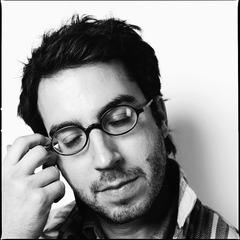
Jonathan Safran Foer

Jonathan Safran Foer is an American writer known for his unique narrative style and profound insights into social issues. His works often blend historical, literary, and philosophical elements, exploring themes such as family, memory, and identity. more

You May Also Like

“Todos los animales mutilan o matan a otros organismos. Ni el agricultor más orgánico puede evitar perjudicar los intereses de otras formas de vida al robar el hábitat de animales salvajes, erradicar insectos con pesticidas naturales y sacrificar plantas para el consumo humano.”

“The first course arrived before we'd even ordered anything. A potato chip on a tiny plate, heaped with glistening black pearls of caviar, topped with a spoonful of something creamy and white and speckled with something else pale and yellow. I loved caviar. This would be exciting if this single potato chip didn't probably cost, like, twenty dollars. "Bottoms up." Even though I wasn't technically reviewing this place---not my brand---I couldn't help but analyze the bite as I crunched down. The potato chip was one of the best potato chips I'd ever had, and let me tell you, I know my potato chips---it was shatteringly crunchy but not hard, still crispy beneath its layers of toppings, salty and savory and a little oily without being overly so. The white cream on top was rich and sour, the shavings of hard-boiled egg yolk on top softening its tart edges. But the star of the dish was the caviar, and it didn't disappoint. Each little bubble burst on my tongue with the essence of the sea itself.”

“Gum trees what is causing the loss of the bee populations especially in the northern hemisphere? “The changing of chemicals, to harsher broad-acre varieties that wipe out weed seeds, the pre-emergent ones are affecting the pupae life cycle of the bees, wasps, beetles, frogs, flycatchers. In fact, all insect larvae, within five kilometres of spraying. If they want food crops in the future, they must stop using these chemicals.” Thank you. I have been wondering what was going on there. So, what can the average person do about this problem? “Stop using chemicals personally and only purchase organic produce from supermarkets, shops and markets, insist on it. Refuse to have any part in the wilful, wholesale destruction of the delicate insect/plant balance of the planet. Be or ‘bee’ part of the solution and not the problem!”

“Almost all our health concerns can be traced back to our belly. Ensure a healthy gut and the rest will take care of itself.”

“The carciofini were good at the moment, no doubt about it, particularly the romagnolo, a variety of artichoke exclusive to the region, so sweet and tender it could even be eaten raw. Puntarelle, a local bitter chicory, would make a heavenly salad. In the Vini e Olio he found a rare Torre Ercolana, a wine that combined Cabernet and Merlot with the local Cesanese grape. The latter had been paired with the flavors of Roman cuisine for over a thousand years: they went together like an old married couple. There was spring lamb in abundance, and he was able to track down some good abbachio, suckling lamb that had been slaughtered even before it had tasted grass. From opportunities like these, he began to fashion a menu, letting the theme develop in his mind. A Roman meal, yes, but more than that. A springtime feast, in which every morsel spoke of resurgence and renewal, old flavors restated with tenderness and delicacy, just as they had been every spring since time began. He bought a bottle of oil that came from a tiny estate he knew of, a fresh pressing whose green, youthful flavors tasted like a bowl of olives just off the tree. He hesitated before a stall full of fat white asparagus from Bassano del Grappa, on the banks of the fast-flowing river Brenta. It was outrageously expensive, but worth it for such quality, he decided, as the stallholder wrapped a dozen of the pale spears in damp paper and handed it to Bruno with a flourish, like a bouquet of the finest flowers. His theme clarified itself the more he thought about it. It was to be a celebration of youth---youth cut short, youth triumphant, youth that must be seized and celebrated.”