Quotessence
Home / Quotes / Quote by Albert Camus

Quote by Albert Camus

“Num universo repentinamente privado de ilusões e de luzes, o homem se sente um estrangeiro. É um exílio sem solução, porque está privado das lembranças de uma pátria perdida ou da esperança de uma terra prometida”

Quote by Albert Camus

Work

O mito de Sísifo

Browse quotes and source details for this work. more
Author

Albert Camus
Albert Camus

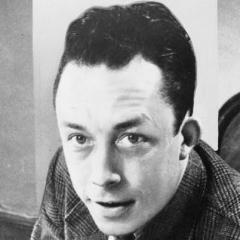
Albert Camus was a French author and philosopher, born on November 7, 1913, and died on January 4, 1960. Known for his unique existentialist philosophy and profound insights into human suffering, Camus' works include 'The Stranger', 'The Plague', and 'The Myth of Sisyphus', which have had a profound impact on 20th-century literature. more

You May Also Like

“Era necessário que todos os homens vivessem em estado de lucidez, se libertassem das pedras, chegassem ao milagre de ver. Era absolutamente necessário que a vida se iluminasse na evidência da morte. Viriam a chamar-me «mórbido», «doentio». Porquê? Mais real do que o nascer era o morrer. Porque quem nasce é ainda nada. Mas quem morre é o universo, a pura necessidade de ser. Um homem só é perfeito, só se realiza até aos seus limites, depois de a morte o não poder surpreender. Não porque a tivesse decorado como um gato-pingado, não porque a tivesse esquecido, mas por tê-la incorporado na plenitude da vida.”

“There were some people in Rayya’s life who had more piercing questions about the omnipresent bottles of bitters than did I. They’d say, “Wait, aren’t you sober? Are you really supposed to be drinking that stuff?” “It’s just herbs,” she would say. “For my digestion.” “But it’s got alcohol in it,” they might protest. Because multiple times over the years—more times than I can count—I watched Rayya blink in amazement and then say with convincing sincerity, “Really? It does? Oh my gosh. I didn’t know that!” I even remember someone once showing Rayya the label of the bottle and pointing to the spot that read “44.7% alc./vol.” To which Rayya responded, “Wow, I can’t even read that without my glasses.” Once I even heard her say to someone, “Bitters aren’t really the same thing as regular alcohol. It’s, like, burnt alcohol.” (His reply? “I don’t know, Ray. I’m pretty sure 44.7 percent alcohol means 44.7 percent alcohol.”) Looking back on it now, I have trouble making sense of how I made sense of this extreme cognitive dissonance. I was watching an allegedly sober person drink every day without admitting that she was drinking—and right in front of my eyes. I was also watching the single most honest person I had ever met pretending—again and again—that she didn’t know her alcoholic drink had alcohol in it. But here’s where my disease comes in: because I somehow made all this okay. I overlooked it, rather than looking it over. I had to overlook it. My fear- and need-addled brain could not handle a reality in which Rayya had any weaknesses or character flaws whatsoever, because she had become my place of safety. Rayya was trustworthiness to me, embodied in human form. And I could not let go of that. I had to keep living in a storyline where Rayya was the soul of all integrity—or else my terror of the world would come back, and I could not bear to have my terror of the world come back. It is truly incredible what you cannot see, when you cannot bear to see it.”

“Y lo que, por el contrario, me sucede a mí en las raras horas de placer, lo que para mí es delicia, suceso, elevación y éxtasis, eso no lo conoce, ni lo ama, ni lo busca el mundo más que si acaso en las novelas; en la vida, lo considera una locura. Y en efecto, si el mundo tiene razón, si esta música de los cafés, estas diversiones en masa, estos hombres americanos contentos con tan poco tienen razón, entonces soy yo el que no la tiene, entonces es verdad que estoy loco, entonces soy efectivamente el lobo estepario que tantas veces me he llamado, la bestia descarriada en un mundo que le es extraño e incomprensible, que ya no encuentra ni su hogar, ni su ambiente, ni su alimento.”