Quotessence
Home / Quotes / Quote by Erich Maria Remarque

Quote by Erich Maria Remarque

“Anyway, there were thousands of Kantoreks, all of them convinced that they were acting for the best, in a way that was the most comfortable for themselves. But as far as we are concerned, that is the very root of their moral bankruptcy.”

Quote by Erich Maria Remarque

Author
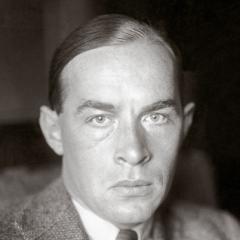
Erich Maria Remarque

German author best known for his novel 'All Quiet on the Western Front', which vividly portrays the horrors of World War I. His works are characterized by a realistic style and have had a profound impact on literature. more

You May Also Like

“Delarosa was trying to save the human race," said Mkele. "Her only crime was that she was willing to go too far in order to do it. We decided, briefly, that we didn't want to go along with her, but look at us: We're hiding in a basement, letting Delarosa fight our battles, seriously considering lettering her deploy a nuclear bomb. We are long past the point where we can pick and choose our morality. We either save our species or we don't." "Yes," said Tovar, "but I'd prefer it if we were still worth saving by the end of it.”

“Radia hakuwa na makosa. Wengi huishi maisha yao bure. Yeye aliishi ya kwake kwa ajili ya watu. Hakuishi tu kama raia wa Tunisia. Aliishi kama raia wa uanadamu, maadili mema na uchapakazi. Watu walimsifu kwa kuwa na kaulimbiu ya 'Acha dunia katika hali nzuri kuliko ulivyoikuta'.”

“Kila mtu ana tabia, matendo, mawazo na akili yake tofauti na mtu mwingine hapa duniani. Usimdharau mtu ukidhani ana akili kama za kwako au anafikiri kama unavyofikiri wewe kwani kila mtu aliumbwa kivyake na Mwenyezi Mungu. Unaweza kudhani unamjua mtu kumbe humjui. Heshimu kila mtu kama unavyojiheshimu kwa sababu, kila mtu ni wa pekee. Kama tunavyotofautiana katika vidole na macho ndivyo tunavyotofautiana katika tabia, matendo, mawazo, imani, maadili na akili. Usimdharau mtu usiyemjua au unayedhani unamjua.”

“The victims of PTSD often feel morally tainted by their experiences, unable to recover confidence in their own goodness, trapped in a sort of spiritual solitary confinement, looking back at the rest of the world from beyond the barrier of what happened. They find themselves unable to communicate their condition to those who remained at home, resenting civilians for their blind innocence. The Moral Injury, New York Times. Feb 17, 2015”