“Na biblioteca da universidade passeava entre a estantes, em meio a milhares de livros, inalando o odor mofado do couro, do tecido e das páginas ressecadas como se fosse um incenso exótico. Às vezes se detinha, tirava um volume das prateleiras e o segurava em suas mãos grandes, que vibravam com o contato, ainda insólito, com a lombada, a capa e as páginas dóceis. Depois, folheava o livro, lendo um parágrafo aqui e ali, seus dedos rígidos virando as páginas, quase temerosos de destruir com seu desajeitamento o precioso conteúdo. Não tinha amigos, pela primeira vez em sua vida teve consciência de sua solidão. Às vezes, de noite em seu sótão, erguia os olhos de um livro que estava lendo e espiava os cantos escuros de seu quarto, onde a luz do lampião tremulava contra as sombras. Se olhasse fixo e atentamente, a escuridão se reuniria numa luz, que assumia a forma insubstancial do que estivera lendo. E ele sentia que estava fora do tempo, como sentira naquele dia na aula em que Archer Sloane falara com ele. O passado avolumava-se da escuridão onde jazia, e os mortos se erguiam para viver à sua frente, e juntos, fluíam para o presente entre os vivos, e assim, por um intenso instante, ele tinha a sensação de unir-se a eles numa única e densa realidade da qual não podia escapar. Tristão, Isolda a bela, caminhavam à sua frente; Helena, e o brilhantes Paris, seus rostos graves de amargura, erguiam-se da treva. E Stoner se sentia mais próximo deles do que de seus colegas que iam de aula em aula, hospedados numa grande universidade em Columbia, no Missouri, e que caminhavam distraídos em meio ao ar do Midwest.”
Quote by John Williams
Book:Stoner: A Novel
Work
Stoner: A Novel
This novel delves into the life of William Stoner, an individual who, despite his unassuming nature, finds profound fulfillment through his love for literature. The story spans Stoner's life from his early years at the University of Missouri to his later years as a respected professor. The narrative explores themes of personal growth, the pursuit of knowledge, and the impact of one's choices on the course of their life. more
Author
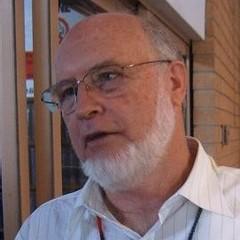
John Williams
John Williams is an outstanding scientist whose life and contributions have had a significant impact in the scientific community. more
You May Also Like
“The more you fall in love with the process the more expert you will become in it”
Source: Confessing the Impassible God: The Biblical, Classical, & Confessional Doctrine of Divine Impassibility
Source: Réflexions et maximes
“I seek heavenly steadfastness in earthly monotony.”
Source: North and South
Source: 31 Ways to Happiness
Source: The Open Society and Its Enemies - Volume One: The Spell of Plato
Source: The Robber Bride
Source: Come Home to Death