Quotessence
Home / Quotes / Quote by Tony Wagner

Quote by Tony Wagner

Work

Most Likely to Succeed: Preparing Our Kids for the Innovation Era

Browse quotes and source details for this work. more

Author
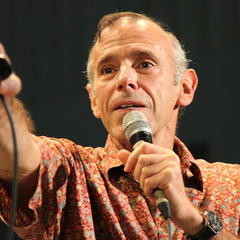
Tony Wagner
Tony Wagner

Tony Wagner is an individual whose profession and category are unknown. Details about him are limited at this time. more

You May Also Like

“Students were asked only factual recall questions and then given a writing assignment that was, in my opinion, more suited to an elementary school class. They were not asked for their interpretations of the story. They were not asked to discuss a real moral dilemma in their lives and compare it to the one in the story. And they were not asked to write an essay where they would have to analyze a theme of an idea using supporting evidence. In other words, there was no intellectual rigor. Chapter 1”

“Somo todos cegos. O avaro é um cego; ele vê o ouro e não vê a riqueza. O pródigo é um cego; ele vê o começo e não vê o fim. A vaidade é uma cega; ela não vê suas rugas. O erudito é um cego; ele não vê sua ignorância. O homem honesto é um cego; ele não vê o trapaceiro. O trapaceiro é um cego; ele não vê Deus. Deus é um cego; no dia em que criou o mundo não viu que o diabo se metia lá dentro. Eu sou um cego; falo e não vejo que vocês são surdos.”

“Não, Robert, os mortos não voltam, e é melhor que assim seja... Que vergonha se voltassem! Onde há por aí uma alma de vivo que se tivesse mantido digna de semelhante prodígio?... Eles vão, e a gente fica, e ri, e canta, e deseja, e continua a viver! Mutilados, amputados, às vezes do melhor de nós mesmos, a gente é como estes vermes repugnantes que, cortados aos pedaços, criam novas células, completam-se e continuam a rastejar e a viver! É uma miséria, é, mas é assim!”

“Scotland's potential independent membership of the EEC may be important here. The tightening of our links with the Common Market could broaden our intellectual horizons to include Paris, Frankfurt and Milan, as well as Oxford and London (this would, of course, be a reforging of intellectual ties between Scotland and Continental Europe). In discovering these other traditions, we may be stimulated to rediscover our own, buried intellectualism. But without this European dimension, it may well be, Scotland will remain culturally chained to England, even if politically sovereign.”