“Mr Hobbes, in the preface to his own bald translation of the "Ilias," (studying poetry as he did mathematics, when it was too late,) Mr Hobbes, I say, begins the praise of Homer where he should have ended it. He tells us, that the first beauty of an epic poem consists in diction; that is, in the choice of words, and harmony of numbers. Now the words are the colouring of the work, which, in the order of nature, is last to be considered; the design, the disposition, the manners, and the thoughts, are all before it: where any of those are wanting or imperfect, so much wants or is imperfect in the imitation of human life, which is in the very definition of a poem. Words, indeed, like glaring colours, are the first beauties that arise, and strike the sight; but, if the draught be false or lame, the figures ill disposed, the manners obscure or inconsistent, or the thoughts unnatural, then the finest colours are but daubing, and the piece is a beautiful monster at the best. Neither Virgil nor Homer were deficient in any of the former beauties; but in this last, which is expression, the Roman poet is at least equal to the Grecian, as I have said elsewhere: supplying the poverty of his language by his musical ear, and by his diligence.”
Quote by John Dryden
Book:Dryden
Work
Author
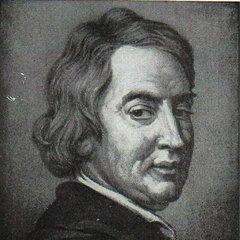
John Dryden
John Dryden, born on August 9, 1631, and died on May 12, 1700, was a prominent English poet and dramatist of the 17th century. His works have had a profound impact on English literature, particularly in the field of drama, and he is considered one of the founders of English drama. more
You May Also Like
Source: Shaping the dream
“If you can't be a hope for yourself, to whom you can be a hope for?”
“Hope is the powerpack that sustains you through the ups and downs of whatever you’re pursuing.”
Source: Be Your Future Self Now: The Science of Intentional Transformation
Source: The Gift of Thanksgiving
“Don’t fear change; only by letting go of the good can you embrace the better.”
Source: The Light in the Heart
Source: Running in Silence: My Drive for Perfection and the Eating Disorder That Fed It
Source: Running in Silence: My Drive for Perfection and the Eating Disorder That Fed It