“All dynamic societies founded their success on two production processes that unfolded in parallel: the manufacturing of a surplus and the manufacturing of consent (regarding its distribution). However, the feedback between the two processes grew to new heights in the Age of Capital. The rise of commodification, which also led to the flourishing of finance, coincided with a subtler, more powerful, form of consent. And here lies a delicious paradox: consent grew more powerful the more economic life was financialized. And as finance grew in importance, the more prone our societies became to economic crises. Hence the interesting observation that modern societies tend to produce both more consent and more violent crises.”
Quote by Yanis Varoufakis
Work
The Global Minotaur: America, the True Origins of the Financial Crisis and the Future of the World Economy
Browse quotes and source details for this work. more
Author
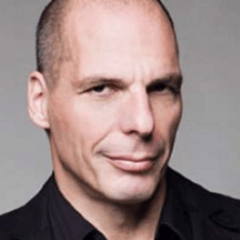
Yanis Varoufakis
Yanis Varoufakis is a Greek economist and politician who served as the Finance Minister of Greece from 2015 to 2015. He is known for his role in the Greek debt crisis and his advocacy for a more democratic economic system. more
You May Also Like
Source: El cuaderno de Maya
“Real people have cracks. Perfect people have masks.”
Source: Life Simplified: Quote - Unquote
Source: The Demon-Haunted World: Science as a Candle in the Dark
Source: Nuestro mundo muerto
Source: Lo raro es vivir
Source: The Gospel According to Jesus Christ