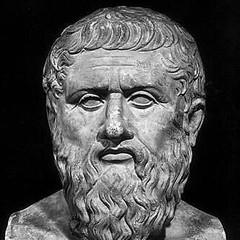
Filter quotes by topic
Famous Plato Quotes
Source: The Republic
“All the gold upon the earth and all the gold beneath it, does not compensate for lack of virtue.”
“Every soul pursues the good and does whatever it does for its sake.”
Source: The Works of Plato: Philebus, Charmides, Laches, Menexenus, Hippias major, Hippias minor, Ion, First Alcibiades, Second Alcibiades, Theages, The rivals, Hipparchus. Minos, Clitopho, The epistles
Source: The Republic
“Let him take heart who does advance, even in the smallest degree.”
“Everything that deceives does so by casting a spell.”
Source: Complete Works
“You need some knowledge to recognize knowledge, so where does the first knowledge come from?”
Source: Plato: The Complete Works: From the greatest Greek philosopher, known for The Republic, Symposium, Apology, Phaedrus, Laws, Crito, Phaedo, Timaeus, Meno, Euthyphro, Gorgias, Parmenides, Protagoras, Statesman and Critias
Source: Plato: The Complete Works including 31 Books (illustrated)
Source: Plato: Five Dialogues: Euthyphro, Apology, Crito, Meno, Phaedo
Source: The Complete Plato
Source: Laws. Appendix: Lesser Hippias. First Alcibiades. Menexenus. Index of persons and places
“Wealth does not bring excellence, but that wealth comes from excellence.”
“No one is a friend to his friend who does not love in return.”
Source: The Dialogues of Plato
Source: The Republic
Source: The Republic
Source: Complete Works