“To doubt the experience is to discourage it. Let it be developed, see what is in it.”
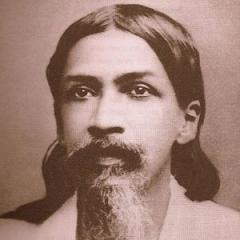
Filter quotes by topic
Famous Sri Aurobindo Quotes
“True knowledge is not attained by thinking. It is what you are; it is what you become.”
Source: Essays divine and human with thoughts and aphorisms
“Do not belong to the past dawns,but to the noons of future”
Source: Essays on the Gita
Source: Bases of Yoga: Art of living
“My God is love and sweetly suffers all.”
Source: Savitri: Sri Aurobindo
“The great are strongest when they stand alone, A God-given might of being is their force.”
Source: Savitri: Sri Aurobindo
“But few are those who tread the sunlit path; Only the pure in soul can walk in light.”
Source: Savitri: A Legend and a Symbol
“Care not for time and success. Act out thy part, whether it be to fail or to prosper.”
Source: Essays divine and human with thoughts and aphorisms
“The practice of Yoga brings us face to face with the extraordinary complexity of our own being.”
Source: The Synthesis of Yoga: Art of living
Source: Annual
“Arise, transcend Thyself, Thou art man and the whole nature of man Is to become more than himself.”
Source: The Hour Of God: Art of living
Source: The Future Evolution of Man: The Divine Life on Earth
Source: The Hour Of God: Art of living
Source: Annual
“The supreme state of human love is...the unity of one soul in two bodies.”
Source: The Life Divine: Art of living
Source: Karmayogin
“The supreme end is the freedom of the spirit.”
Source: Essays on the Gita
“Witness and stand back from Nature, that is the first step to the soul's freedom.”
Source: The Life Divine: Art of living
Source: The Supramental Manifestation, and Other Writings
Source: The Life Divine: Art of living
Source: Essays divine and human with thoughts and aphorisms
“What have I to forgive and whom?”
Source: Essays divine and human with thoughts and aphorisms
Source: Essays divine and human with thoughts and aphorisms
Source: Our Many Selves: Practical Yogic Psychology
Source: Essays on the Gita
Source: Bulletin Du Centre International D'éducation Sri Aurobindo
Source: The Supramental Manifestation, and Other Writings
“What is God after all? An eternal child playing an eternal game in an eternal garden.”
Source: Bulletin Du Centre International D'éducation Sri Aurobindo
Source: The Supramental Manifestation, and Other Writings
Source: Essays divine and human with thoughts and aphorisms
Source: The Human Cycle, Psychology of Social Development
“We are sons of God And must be even as he.”
Source: Savitri: A Legend and a Symbol
Source: The Supramental Manifestation, and Other Writings
“Live within; be not shaken by outward happenings.”
Source: Essays divine and human with thoughts and aphorisms