“Every father is given the opportunity to corrupt his daughter's nature, and the educator, husband, or psychiatrist then has to face the music. For what has been spoiled by the father can only be made good by a father, just as what has been spoiled by the mother can only be repaired by a mother. The disastrous repetition of the family pattern could be described as the psychological original sin, or as the curse of the Atrides running through the generations.”
Quote by Carl Jung
Work
Mysterium coniunctionis, an inquiry into the separation and synthesis of psychic opposites in alchemy
This book delves into the philosophical and symbolic aspects of alchemy, focusing on the process of separating and reuniting opposing forces within the psyche. more
Author
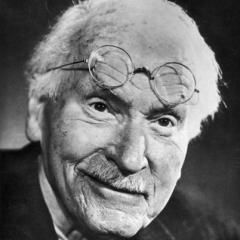
Carl Jung
Carl Jung, born on July 26, 1875, and died on June 6, 1961, was a renowned Swiss psychiatrist and psychologist. His theories have had a profound impact on fields such as psychology, psychiatry, and religious studies. Jung proposed the theory of personality types, the concept of the collective unconscious, and founded analytical psychology. more
You May Also Like
Source: The Collected Works of C.G. Jung: Civilization in transition
Source: The Undiscovered Self
Source: The Undiscovered Self
Source: The Undiscovered Self
“No psychic value can disappear without being replaced by another of equivalent intensity.”
Source: Modern Man in Search of a Soul
Source: Memories, dreams, reflections
Source: Man and His Symbols
Source: The Archetypes and the Collective Unconscious