“Shakespeare, Butler and Bacon have rendered it extremely difficult for all who come after them to be sublime, witty or profound.”
Quote by Charles Caleb Colton
Work
Lacon: or, Many things in few words
This book delves into the philosophical underpinnings of concise communication, examining the value of brevity and its impact on thought and language. more
Author
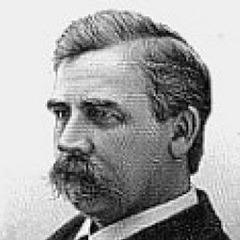
Charles Caleb Colton
Charles Caleb Colton was an English writer active from 1780 to 1832. Known for his humor and wit, he is particularly recognized for his aphorisms and satirical works. more
You May Also Like
Source: Lacon: Or, Many Things in Few Words, Addressed to Those who Think
Source: Lacon: Or, Many Things in Few Words : Addressed to Those who Think
“Lord, make me an instrument of thy peace. Where there is hatred, let me sow love.”
Source: Lacon: Or, Many Things in Few Words, Addressed to Those who Think
Source: Lacon: Or Many Things in Few Words, Addressed to Those who Think
Source: Lacon, Or, Many Things in a Few Words: Addressed to Those who Think
Source: Lacon, Or, Many Things in a Few Words: Addressed to Those who Think
Source: Lacon: Or Many Things in Few Words, Addressed to Those who Think