“We New Yorkers see more death and violence than most soldiers do, grow a thick chitin on our backs, grimace like a rat and learn to do a disappearing act. Long ago we outgrew the need to be blowhards about our masculinity; we leave that to the Alaskans and Texans, who have more time for it.”
Quote by Edward Hoagland
Work
Walking the Dead Diamond River
This book takes readers on an adventurous journey through a perilous environment, where characters face daunting challenges and uncover the secrets hidden within the river's name. more
Author
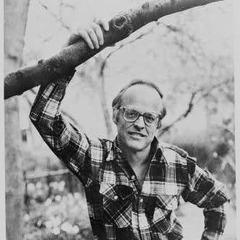
Edward Hoagland
Edward Hoagland is an American author known for his profound insights into the relationship between humans and nature. His work is typically presented in the form of prose, exploring the connections between humans, cities, and rural areas. Born on December 21, 1932, Hoagland's writing career spanned over half a century, with works including novels, poetry, and essays. more
You May Also Like
Source: ON AGRESSION
Source: On aggressión
Source: Crowds and power: Masse und Macht]
“It is important what a man still plans at the end. It shows the measure of injustice in his death.”
Source: Selected Writings
Source: The highway and the city: essays
“Ecological differentiation is the necessary condition for coexistence.”
Source: Biology, its principles and implications
“If you can't bear to have your face stepped on, don't try to climb the ladder of success.”