Quotessence
Home / Quotes / Quote by Sri Chinmoy

Quote by Sri Chinmoy

Author

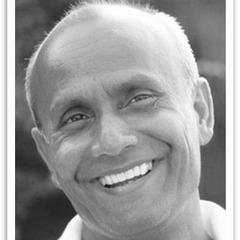
Sri Chinmoy
Sri Chinmoy

Sri Chinmoy was an Indian-American author, poet, musician, and yoga instructor. Born on August 27, 1931, and passed away on October 11, 2007, he is renowned for his extensive literary works, musical compositions, and the promotion of yoga. more

You May Also Like

“The Marxist combination of materialism and determinism is fatally anti-humanistic. It denies a consciousness, a mind, that is independent of material conditions and class relations. It denies a will and volition that are capable of shaping the course of history. It denies an individuality that is not reducible to class. It denies both the idea and the reality of freedom, a freedom that is something more than the "bourgeois" freedom to buy and sell. It denies a morality that transcends class interests. And it denies the spirituality of man.”

“Terrified of being alone, yet afraid of intimacy, we experience widespread feelings of emptiness, of disconnection, of the unreality of self. And here the computer, a companion without emotional demands, offers a compromise. You can be a loner, but never alone. You can interact, but need never feel vulnerable to another person.”

“One thing is certain: the riddle of mind, long a topic for philosophers, has taken on new urgency. Under pressure from the computer, the question of mind in relation to machine is becoming a central cultural preoccupation. It is becoming for us what sex was to the Victorians--threat and obsession, taboo and fascination.”

“Ours has been called a culture of narcissism. The label is apt but can be misleading. It reads colloquially as selfishness and self-absorption. But these images do not capture the anxiety behind our search for mirrors. We are insecure in our understanding of ourselves, and this insecurity breeds a new preoccupation with the question of who we are. We search for ways to see ourselves. The computer is a new mirror, the first psychological machine. Beyond its nature as an analytical engine lies its second nature as an evocative object.”