“I know a 'crime against nature' when I see one. It is usually a sign of crimes against nature that we cannot bear to see them at all, that we recoil and hide our eyes, and no one has ever cringed at the sight of a soybean factory. I also know phony arguments when I hear them--unbridled appetite passing itself off as altruism, and human arrogance in the guise of solemn 'duty.' We must, as C.S. Lewis advises, 'reject with detestation that covert propoganda for cruelty which tries to drive mercy out of the world by calling it names such as 'Humanitarianism' and 'Sentimentality.”
Quote by Matthew Scully
Author
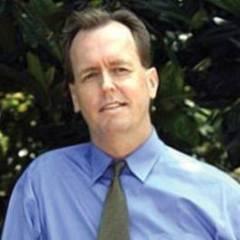
Matthew Scully
Matthew Scully is an American author known for his contributions to political and religious writing. Born on March 20, 1959, he graduated from Princeton University and served as a speechwriter for President George W. Bush. Scully's work is noted for its insightful analysis and elegant prose, covering a range of topics from ethics to politics and religion. more
You May Also Like
Source: Dominion: The Power of Man, the Suffering of Animals, and the Call to Mercy
Source: Dominion: The Power of Man, the Suffering of Animals, and the Call to Mercy
Source: Dominion: The Power of Man, the Suffering of Animals, and the Call to Mercy
Source: The Sex Lives of Cannibals: Adrift in the Equatorial Pacific