“Si era detto cose ciniche sul conto di lei, ma nessun uomo può essere sempre cinico e nello stesso tempo vivere, e così le ritrattò. L'errore che aveva commesso nell'esprimerle era sorto dal fatto che si era lasciato influenzare da principi generali trascurando il caso particolare. Ma ragionare in questo modo diventa qualche volta un esercizio stantio; innamorati e mariti ne hanno fatto esperienza anche prima d'oggi. Clare era stato duro verso di lei, senza dubbio. Gli uomini sono troppo spesso duri con le donne che amano o che hanno amato, e le donne con gli uomini. E tuttavia queste crudeltà sono la quintessenza della tenerezza se le paragoniamo alla crudeltà universale da cui nascono; la crudeltà della posizione in rapporto al temperamento; dei mezzi in rapporto al fine, dell'oggi rispetto a ieri e del futuro rispetto all'oggi.”
Quote by Thomas Hardy
Work
This nineteenth-century novel centers on Tess Durbeyfield, a rural peasant girl whose father learns of distant aristocratic ancestry. Sent to claim kinship with the wealthy D'Urberville family, Tess encounters Alec D'Urberville, whose actions set in motion a chain of events that shadow her subsequent life. Later working as a milkmaid, she forms a relationship with Angel Clare, a man of progressive ideals whose response to her past reveals the gap between principle and practice. The narrative traces Tess's movement through agricultural labor, social stigma, and shifting moral landscapes, examining how individual character intersects with circumstance, class hierarchy, and gendered double standards. Hardy's subtitle, "A Pure Woman Faithfully Presented," signals his authorial stance toward his protagonist, framing the work as social critique as much as personal tragedy. The novel belongs to the pastoral tradition while subverting its conventions, and it contributed to debates about sexual morality, religious doubt, and the representation of working-class experience in literature. more
Author
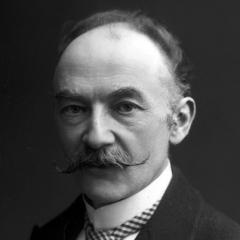
Thomas Hardy, a British novelist born on June 2, 1840, and died on January 11, 1928, is renowned for his novels that depict rural life, reflecting the social changes in 19th-century England. His works often carry a sense of pessimism, depicting the fates of characters with sympathy. more
You May Also Like
“Love speaks louder than faith.”
“Ti fa sentire una ladra certe volte l'amore.”