“As he crossed the square, walking homeward, the light laughter of a girl reached his burning ear. The frail gay sound smote his heart more strongly than a trumpet-blast, and, not daring to lift his eyes, he turned aside and gazed, as he walked, into the shadow of the tangled shrubs. Shame rose from his smitten heart and flooded his whole being. The image of Emma appeared before him, and under her eyes the flood of shame rushed forth anew from his heart. If she knew to what his mind had subjected her or how his brutelike lust had torn and trampled upon her innocence! Was that boyish love? Was that chivalry? Was that poetry? The sordid details of his orgies stank under his very nostrils. The sootcoated packet of pictures which he had hidden in the flue of the fireplace and in the presence of whose shameless or bashful wantonness he lay for hours sinning in thought and deed; his monstrous dreams, peopled by apelike creatures and by harlots with gleaming jewel eyes; the foul long letters he had written in the joy of guilty confession and carried secretly for days and days only to throw them under cover of night among the grass in the corner of a field or beneath some hingeless door in some niche in the hedges where a girl might come upon them as she walked by and read them secretly. Mad! Mad! Was it possible he had done these things? A cold sweat broke out upon his forehead as the foul memories condensed within his brain.”
Quote by James Joyce
Work
A Portrait of the Artist as a Young Man
James Joyce's novel delves into the life and development of Stephen Dedalus, a young man's journey towards self-discovery and artistic expression. more
Author
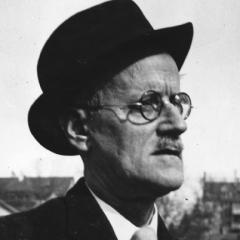
James Joyce
James Joyce, born on February 2, 1882, and died on January 13, 1941, was an Irish novelist and one of the greatest writers of the 20th century. Known for his unique narrative techniques and profound psychological insights, Joyce is celebrated for his contributions to modernist literature. His most famous work is 'Ulysses', which is considered one of the greatest literary works of the 20th century. Other notable works include 'Dubliners' and 'Finnegans Wake'. more
You May Also Like
Source: Flesh and Bone
Source: Pensées
Source: Dzogchen: The Self-Perfected State
Source: Pensées
Source: Pensées
“We know that love and desire can play havoc with our lives, but we are human and complicated.”
Source: Divine Might - Goddesses in Greek Myth
Source: As Many Souls as Stars
Source: I know you from a dream
Source: Живі. Зрозуміти українську літературу
Source: Get Out of Here Alive: Inner Alchemy & Immortality