“E se eu lhe enviasse telegrama? Ou uma carta registada; sem qualquer assinatura, com as palavras feitas a partir de recortes de jornais. «Não posso», compreendeu então; «nunca o poderei fazer. Lamento muito, Louis Runcible; os laços são demasiadamente fortes. As ligações são demasiadamente longas, apertadas. Interiorizei-as e agora agem como se fossem parte de mim; vivem aqui bem dentro de mim. Para toda a vida. Agora e para sempre. » Caminhou sem pressa, sentindo como que uma membrana de torpor a acompanhá-lo, pairando por sobre si enquanto avançava pelo corredor afastando-se da cabine. De volta ao seu escritório. Como se nada tivesse acontecido. E nada acontecera. Era a pura e límpida verdade: nada, mesmo nada. Portanto, a coisa avançaria sozinha. Forças que ele não compreendia, substâncias mais remotas, escapando, quais borboletas, à sua percepção; sombras que cruzavam o céu da sua vida sem deixarem rasto, sem deixarem qualquer sensação; sentia-se cego, receoso e impotente. E mesmo assim continuava a avançar. Pois era natural. E pensado para si não havia mais nada a se fazer. E à medida que ele ia caminhando, aquilo também se movia. Se agitou; ele sentia-o avançar. Avançando de um modo inexorável, em linha reta.”
Quote by Philip K. Dick
Work
The Penultimate Truth
Browse quotes and source details for this work. more
Author
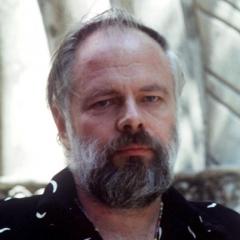
Philip K. Dick
Philip K. Dick was an American science fiction novelist known for his unique philosophical thinking and profound futuristic imagination. His works often explore the boundaries between individuals and society, reality and illusion, and have had a profound impact on science fiction literature. more
You May Also Like
“La poesía es umbría por naturaleza. Quien la lee o la escribe se ilumina con sombras.”
Source: Sanmasınlar Yıkıldık
“For church buildings not to be enough is to build and equip church members to send them out”
“Randus Andus: Definition – An older member of the elite that desires underage teenagers.”
Source: The Signature of All Things
Source: The Lost Art of Mixing