“You ought to take more exercise, if you're inclined to have a liver. Play golf.”
Quote by Daphne du Maurier
Work
The Birds And Other Stories
This book is a compilation of short stories that delve into a range of subjects and storytelling techniques, offering readers a diverse and engaging reading experience. more
Author
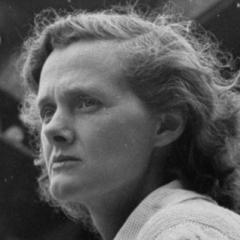
Daphne du Maurier
British author known for her suspense novels and romantic stories. Daphne du Maurier's works are characterized by their mysterious and supernatural elements, with her most famous novels being 'Rebecca' and 'The Turn of the Screw'. Her writing style has had a profound impact on literature. more
You May Also Like
Source: A Butterfly Life: 4 Keys to More Happiness, Better Health & Letting Your True Self Shine
Source: Vaccination, Social Violence, and Criminality: The Medical Assault on the American Brain
Source: Strong Medicine
Source: What's Going On? How Can We Help?: The consequences of capitalism and actionable steps towards a healthy and sustainable future
“Not making fun of fat people is good for their self-esteem but bad for their health.”
Source: The Time Traveller's Guide to Medieval England: A Handbook for Visitors to the Fourteenth Century
Source: Vaccination, Social Violence, and Criminality: The Medical Assault on the American Brain
Source: À l'ami qui ne m'a pas sauvé la vie