“Die großartigste Fähigkeit des menschlichen Geistes ist vielleicht die, mit Schmerzen fertig zu werden. Die klassische Philosophie spricht hier von den vier Pforten des Geistes, die man durchschreiten kann. Die erste Pforte ist die des Schlafs. Der Schlaf beitet uns Zuflucht vor der Welt und all ihrem Leid. Im Schlaf vergeht die Zeit, und das verschafft uns Abstand zu den Dingen, die uns Schmerz zugefügt haben. Wenn Menschen Verletzungen erleiden, werden sie oft bewusstlos, und jemand, der eine furchtbare Nachricht erhält, fällt vielleicht in Ohnmacht. Der Geist schützt sich also vor dem Schmerz, indem er diese erste Pforte durchschreitet. Die zweite Pforte ist die des Vergessens. Manche Wunden sind zu tief, um wieder verheilen zu können, oder zumindest zu tief für eine schnelle Heilung. Hinzu kommt, dass manche Erinnerungen ausschließlich schmerzlich sind und sich da nicht heilen lässt. Das Sprichwort "Die Zeit heilt alle Wunden" entspricht nicht der Wahrheit. Die Zeit heilt die meisten Wunden. Die übrigen sind hinter dieser Pforte verborgen. Die dritte Pforte ist die des Wahnsinns. Manchmal erhält der Geist einen so verheerenden Schlag, dass er sich in den Wahnsinn flüchtet. Das ist nützlicher, als es zunächst scheint. Manchmal besteht die Wirklichkeit nur noch aus Schmerz, und um diesem Schmerz zu entrinnen, muss der Geist die Wirklichkeit hinter sich lassen. Die vierte und letzte Pforte ist die des Todes. Der letzte Ausweg. Wenn wir erst einmal tot wären, könne uns nichts mehr etwas anhaben - heißt es jedenfalls.”
Quote by Patrick Rothfuss
Book:The Name of the Wind
Work
The Name of the Wind
Browse quotes and source details for this work. more
Author
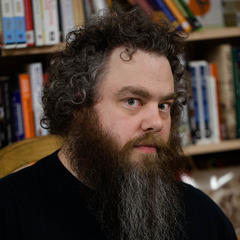
Patrick Rothfuss
Patrick Rothfuss, born on June 6, 1973, is a renowned American writer known for his works in the fantasy genre. His most famous series is 'The Name of the Wind,' which has gained widespread acclaim for its unique narrative style and profound philosophical insights. more
You May Also Like
Source: Du bist nie zu alt um glücklich zu sein - Lebensweisheiten einer Hundertjährigen
“Losses are common in love and war, whether you win or lose.”
Source: Little Fish
Source: The Transgender Manifesto
Source: Person-Centred Counselling for Trans and Gender Diverse People: A Practical Guide
Source: Isabella Warrior Queen
“When a turbulent mind and wounded heart surrenders to grace, breathing is easy.”
Source: From Within I Rise: Spiritual Triumph over Death and Conscious Encounters With the Divine Presence
Source: The Complex PTSD Workbook: A Mind-Body Approach to Regaining Emotional Control and Becoming Whole
Source: The Emotionally Abusive Relationship: How to Stop Being Abused and How to Stop Abusing