Source: Delphi Complete Works of Edmund Burke (Illustrated)
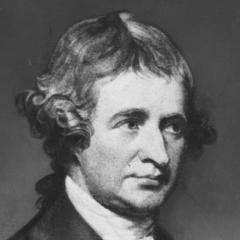
Filter quotes by topic
Famous Edmund Burke Quotes
Source: Delphi Complete Works of Edmund Burke (Illustrated)
“Power, in whatever hands, is rarely guilty of too strict limitations on itself.”
Source: Maxims and opinions, moral, political and economical, with characters, from the works of ... Edmund Burke
Source: Reflections on the French Revolution
“Prudence is a quality incompatible with vice, and can never be effectively enlisted in its cause.”
Source: A Philosophical Enquiry into the Origin of our Ideas of the Sublime and Beautiful
Source: A Philosophical Inquiry Into the Origin of Our Ideas of the Sublime and Beautiful
“Whenever government abandons law, it proclaims anarchy.”
Source: Irish Affairs
“Nothing so effectually deadens the taste of the sublime as that which is light and radiant.”
Source: The Speeches of the Right Hon. Edmund Burke
Source: A philosophical inquiry, etc
Source: The works of ... Edmund Burke [ed. by W. King and F. Laurence].
“The cause of a wrong taste is a defect of judgment.”
Source: A Philosophical Inquiry Into the Origin of Our Ideas of the Sublime and Beautiful
Source: A Philosophical Inquiry Into the Origin of Our Ideas of the Sublime and Beautiful
Source: Delphi Complete Works of Edmund Burke (Illustrated)
“Fellowship in treason is a bad ground of confidence.”
Source: The Works of the Right Honourable Edmund Burke
Source: Delphi Complete Works of Edmund Burke (Illustrated)
Source: The Works of the Right Hon. Edmund Burke: With a Biographical and Critical Introduction, and Portrait After Sir Joshua Reynolds
Source: The Portable Edmund Burke
Source: A Philosophical Inquiry Into the Origin of Our Ideas of the Sublime and Beautiful
Source: The works and correspondence of...Edmund Burke
Source: The Writings and Speeches of Edmund Burke: On Conciliation with America; Security of the Independence of Parliament; on Mr. Fox's East India
Source: Revolutionary Writings: Reflections on the Revolution in France and the First Letter on a Regicide Peace
Source: The Works of the Right Honourable Edmund Burke
Source: Edmund Burke: Selected Writings and Speeches
Source: The Works of Edmund Burke
Source: Works: 1st American from the Last London Ed
Source: The Portable Edmund Burke
Source: The Portable Edmund Burke
Source: Burke, Select Works
Source: Maxims and opinions, moral, political and economical, with characters, from the works of ... Edmund Burke
Source: The Works and Correspondence of the Right Honourable Edmund Burke
Source: The Works of Edmund Burke: With a Memoir
Source: Edmund Burke: Selected Writings and Speeches
Source: The Works of the Right Hon. Edmund Burke: With a Biographical and Critical Introduction, and Portrait After Sir Joshua Reynolds
Source: The Inherent Evils of All State Governments Demonstrated: Being a Reprint of [his] Essay,
Source: Delphi Complete Works of Edmund Burke (Illustrated)
Source: The Works and Correspondence of the Right Honourable Edmund Burke