“People never believe in volcanoes until the lava actually overtakes them.”
Source: The Works of George Santayana: The letters of George Santayana. 1921-1927. Vol. 5. Book 3
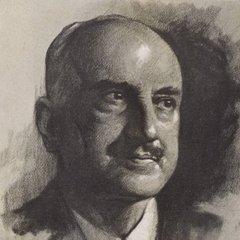
“People never believe in volcanoes until the lava actually overtakes them.”
“History is always written wrong, and so always needs to be rewritten.”
“Fear first created the gods.”
“Half our standards come from our first masters, and the other half from our first loves.”
“The loftiest edifices need the deepest foundations.”
“Real unselfishness consists in sharing the interests of others.”
“The loneliest woman in the world is a woman without a close woman friend.”
“Words are weapons, and it is dangerous . . . to borrow them from the arsenal of the enemy.”
“It is a great advantage for a system of philosophy to be substantially true.”
“There is nothing sweeter than to be sympathized with.”
“People are usually more firmly convinced that their opinions are precious than that they are true.”
“It takes a wonderful brain and exquisite senses to produce a few stupid ideas.”
“If artists and poets are unhappy, it is after all because happiness does not interest them.”
“A simple life is its own reward.”
“I have no axe to grind; only my thoughts to burnish.”
“Religion in its humility restores man to his only dignity, the courage to live by grace.”
“Love is at once more animal than friendship and more divine.”
“Men have feverishly conceived a heaven only to find it insipid, and a hell to find it ridiculous.”
“The one who does not remember history is bound to live through it again”
“Those who speak most of progress measure it by quantity and not by quality.”
“Heaven is to be at peace with things.”