Filter quotes by topic
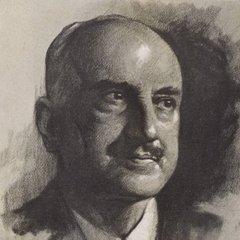
Famous George Santayana Quotes
Source: The Works of George Santayana: Interpretations of the poetry and religion. Hamlet. Shelley. Dickens. Tragic philosophy
Source: The Life of Reason: Human Understanding
“An artist may visit a museum but only a pedant can live there.”
Source: The Life of Reason Or The Phases of Human Progress: Reason in Art, Volume VII, Book Four
Source: The Life of Reason or The Phases of Human Progress: Reason in Society, Volume VII, Book Two
“The aim of education is the condition of suspended judgment on everything.”
“Our occasional madness is less wonderful than our occasional sanity.”
Source: Little essays drawn from the writings of George Santayana
Source: Little essays drawn from the writings of George Santayana
“To drink in the spirit of a place you should be not only alone but unhurried.”
“Unmitigated seriousness is always out of place in human affairs.”
Source: The Works of George Santayana
Source: The letters of George Santayana
Source: The Life of Reason: Human Understanding
Source: The Works of George Santayana: Character and opinion in the United States. The genteel tradition at bay. Dewey's naturalistic metaphysics. Philosophical heresy
Source: Little essays drawn from the writings of George Santayana
Source: Little essays drawn from the writings of George Santayana
“Life is judged with all the blindness of life itself.”
Source: The Works of George Santayana: Soliloquies in England and Later soliloquies
Source: The Works of George Santayana: Soliloquies in England and Later soliloquies
Source: Character and Opinion in the United States
Source: The Philosophy of Santayana
Source: Character and Opinion in the United States
Source: Scepticism and Animal Faith
Source: The Genteel Tradition: Nine Essays
Source: The Life of Reason or The Phases of Human Progress: Introduction and Reason in Common Sense, Volume VII, Book One
Source: Essays in critical realism: a co-operative study of the problem of knowledge
Source: The Genteel Tradition: Nine Essays
Source: The Works of George Santayana: The letters of George Santayana. 1933-1936. Vol. 5. Book 5
Source: The Works of George Santayana
Source: The Works of George Santayana: Character and opinion in the United States. The genteel tradition at bay. Dewey's naturalistic metaphysics. Philosophical heresy
Source: The Essential Santayana: Selected Writings
Source: The Life of Reason: Introduction and Reason in Common Sense
Source: Little essays drawn from the writings of George Santayana
Source: Character and Opinion in the United States
Source: The Works of George Santayana
“Chaos is perhaps at the bottom of everything.”
Source: Dominations and Powers: Reflections on Liberty, Society, and Government
Source: The Life of Reason Or The Phases of Human Progress: Reason in Art, Volume VII, Book Four
“To be an American is of itself almost a moral condition, an education, and a career.”
Source: Character and Opinion in the United States
Source: The Works of George Santayana
Source: The Life of Reason: Human Understanding