Filter quotes by topic
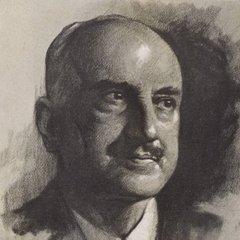
Famous George Santayana Quotes
“To drink in the spirit of a place you should be not only alone but unhurried.”
Source: The Life of Reason Or The Phases of Human Progress: Reason in Art, Volume VII, Book Four
Source: The Works of George Santayana
Source: The Life of Reason: Human Understanding
“We should have to abandon our vested illusions, our irrational religions and patriotisms.”
Source: The Life of Reason Or The Phases of Human Progress: Reason in Art, Volume VII, Book Four
“A man's feet should be planted in his country, but his eyes should survey the world.”
“Before you contradict an old man, my fair friend, you should endeavour to understand him.”
“Skepticism, like chastity, should not be relinquished too readily.”
“If pain could have cured us we should long ago have been saved.”
Source: The Life of Reason or The Phases of Human Progress: Introduction and Reason in Common Sense, Volume VII, Book One
“love make us poets, and the approach of death should make us philosophers.”
Source: The Sense of Beauty
“Art like life, should be free, since both are experimental.”
Source: The Life of Reason: Human Understanding
Source: Little essays drawn from the writings of George Santayana
Source: The Life of Reason: Human Understanding
Source: Character and Opinion in the United States