Source: Commentaries on the Constitution of the United States: With a Preliminary Review of the Constitutional History of the Colonies and States, Before the Adoption of the Constitution
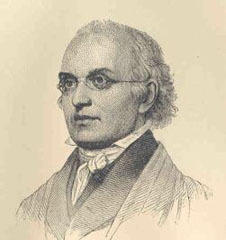
Filter quotes by topic
Famous Joseph Story Quotes
Source: Commentaries on the Constitution of the United States: With a Preliminary Review of the Constitutional History of the Colonies and States, Before the Adoption of the Constitution
Source: Commentaries on the Constitution of the United States: With a Preliminary Review of the Constitutional History of the Colonies and States, Before the Adoption of the Constitution
Source: A Familiar Exposition of the Constitution of the United States
Source: Commentaries on the Constitution of the United States: With a Preliminary Review of the Constitutional History of the Colonies and States Before the Adoption of the Constitution
Source: Commentaries on the Constitution of the United States: With a Preliminary Review of the Constitutional History of the Colonies and States, Before the Adoption of the Constitution
Source: Commentaries on the Constitution of the United States: With a Preliminary Review of the Constitutional History of the Colonies and States Before the Adoption of the Constitution
Source: Commentaries on the Constitution of the United States: With a Preliminary Review of the Constitutional History of the Colonies and States, Before the Adoption of the Constitution
Source: Commentaries on the Constitution of the United States: With a Preliminary Review of the Constitutional History of the Colonies and States, Before the Adoption of the Constitution
Source: Commentaries on the Constitution of the United States: With a Preliminary Review of the Constitutional History of the Colonies and States, Before the Adoption of the Constitution
Source: Commentaries on the Constitution of the United States: With a Preliminary Review of the Constitutional History of the Colonies and States Before the Adoption of the Constitution
“If the Constitution is a compact, then the States have a right to secede.”
Source: Commentaries on the Constitution of the United States: With a Preliminary Review of the Constitutional History of the Colonies and States, Before the Adoption of the Constitution
Source: Commentaries on the Constitution of the United States: With a Preliminary Review of the Constitutional History of the Colonies and States, Before the Adoption of the Constitution