Source: Little Women Collection: Little Women, Little Men, Eight Cousins and More
Filter quotes by topic
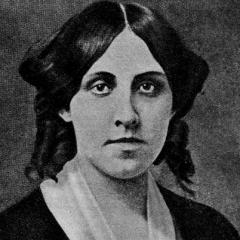
Famous Louisa May Alcott Quotes
“I make so many beginnings there never will be an end.”
Source: Little women, or, Meg, Jo, Beth, and Amy. [Followed by Good wives]
“No love or pity, pardon or excuse should soften the sharp pang of reparation for the guilty man.”
Source: A Long Fatal Love Chase
Source: The Complete Works of Louisa May Alcott (Illustrated): Novels, Short Stories, Plays & Poems: Little Women, Good Wives, Little Men, Jo's Boys, A Modern Mephistopheles, Eight Cousins, Rose in Bloom, Jack and Jill, Behind a Mask, The Abbot's Ghost…
Source: A Long Fatal Love Chase
“Everybody has their days of misfortune.”
Source: An Old-fashioned Girl
“Cheerfulness can change misfortune into love and friends.”
Source: Delphi Complete Works of Louisa May Alcott (Illustrated)
“Books are always good company if you have the right sort.”
Source: All the 4 Little Women Books: Little Women, Good Wives, Little Men, Jo's Boys
Source: Little Women (Illustrated Edition)
“Remember that frost comes latest to those that bloom the highest.”
Source: Louisa May Alcott: Work, Eight Cousins, Rose in Bloom, Stories & Other Writings: (Library of America #256)
Source: Little Women and Little Men
“Souls and bodies should go on together.”
Source: Delphi Complete Works of Louisa May Alcott (Illustrated)
Source: A Long Fatal Love Chase
“Conceit spoils the finest genius?and the great charm of all power is modesty.”
“Energy is more attractive than beauty in a man.”
Source: The Complete Works of Louisa May Alcott (Illustrated): Novels, Short Stories, Plays & Poems: Little Women, Good Wives, Little Men, Jo's Boys, A Modern Mephistopheles, Eight Cousins, Rose in Bloom, Jack and Jill, Behind a Mask, The Abbot's Ghost…
Source: LOUISA MAY ALCOTT Ultimate Collection: 16 Novels & 150+ Short Stories, Plays and Poems (Illustrated): Little Women, Good Wives, Little Men, Jo's Boys, A Modern Mephistopheles, Eight Cousins, Rose in Bloom, Jack and Jill, Behind a Mask, Lulu's Library, The Abbot's Ghost, A Garland for Girls…
“Now I'm beginning to live a little and feel less like a sick oyster at low tide.”
Source: Louisa May Alcott Premium Edition - 16 Novels in One Volume: Little Women Trilogy & Other Novels (Illustrated): Moods, The Mysterious Key and What It Opened, An Old Fashioned Girl, Work, Eight Cousins, Rose in Bloom, Under the Lilacs, Jack and Jill, Behind a Mask, The Abbot's Ghost, A Modern Mephistopheles…
Source: Little Men: Life at Plumfield with Jo's Boys & A Sequel - Jo's Boys and How They Turned Out (Children’s Classics Series – Illustrated Edition)
“The duty we owe ourselves is greater than that we owe others.”
Source: Louisa May Alcott Premium Edition - 16 Novels in One Volume: Little Women Trilogy & Other Novels (Illustrated): Moods, The Mysterious Key and What It Opened, An Old Fashioned Girl, Work, Eight Cousins, Rose in Bloom, Under the Lilacs, Jack and Jill, Behind a Mask, The Abbot's Ghost, A Modern Mephistopheles…
Source: The Portable Louisa May Alcott
Source: LOUISA MAY ALCOTT Ultimate Collection: 16 Novels & 150+ Short Stories, Plays and Poems (Illustrated): Little Women, Good Wives, Little Men, Jo's Boys, A Modern Mephistopheles, Eight Cousins, Rose in Bloom, Jack and Jill, Behind a Mask, Lulu's Library, The Abbot's Ghost, A Garland for Girls…
“Salt is like good-humor, and nearly every thing is better for a pinch of it.”
Source: The 'Little Women' Trilogy (Illustrated)
“To most the end comes as naturally and simply as sleep.”
Source: LITTLE WOMEN SERIES – Complete Collection: Little Women, Good Wives, Little Men & Jo's Boys: The Beloved Classics of American Literature: The coming-of-age series based on the author’s own childhood experiences with her three sisters
“Girls could do most things as well as boys, and some things better.”
Source: LOUISA MAY ALCOTT Ultimate Collection: 16 Novels & 150+ Short Stories, Plays and Poems (Illustrated): Little Women, Good Wives, Little Men, Jo's Boys, A Modern Mephistopheles, Eight Cousins, Rose in Bloom, Jack and Jill, Behind a Mask, Lulu's Library, The Abbot's Ghost, A Garland for Girls…
“Fame is a very good thing to have in the house, but cash is more convenient.”
Source: Good Wives
“it was easier to do a friendly thing than it was to stay and be thanked for it.”
Source: The 'Little Women' Trilogy (Illustrated)
Source: Jo's Boys: Top Novelist Focus
“Where the heart is the mind works best.”
Source: The Complete Works of Louisa May Alcott (Illustrated): Novels, Short Stories, Plays & Poems: Little Women, Good Wives, Little Men, Jo's Boys, A Modern Mephistopheles, Eight Cousins, Rose in Bloom, Jack and Jill, Behind a Mask, The Abbot's Ghost…
“A holiday isn't a holiday, without plenty of freedom and fun.”
Source: Little Men: Life at Plumfield with Jo's Boys
“Honesty is the best policy, in love as in law.”
Source: Little women, and Good wives, by the author of 'An old-fashioned girl'.
“People cannot be molded like clay.”
Source: Jo's Boys: In Easy-to-Read Type
“Liberty is a better husband than love to many of us.”
Source: Louisa May Alcott: Her Life, Letters, and Journals
“To marry without love betrays as surely as to love without marriage.”
Source: A Modern Mephistopheles
“Mothers can forgive anything!”
Source: Jo's Boys: In Easy-to-Read Type
Source: Eight Cousins & Rose in Bloom - A Sequel (Children’s Classic): A Story of Rose Campbell
“Power is a dangerous thing. Be careful that you don't abuse it or let it make a tyrant of you.”
Source: Delphi Complete Works of Louisa May Alcott (Illustrated)
Source: Little Men: Fife at Plumfield with Jo's Boys
“where I wholly love I wholly trust.”
Source: The Complete Works of Louisa May Alcott (Illustrated): Novels, Short Stories, Plays & Poems: Little Women, Good Wives, Little Men, Jo's Boys, A Modern Mephistopheles, Eight Cousins, Rose in Bloom, Jack and Jill, Behind a Mask, The Abbot's Ghost…
Source: Louisa May Alcott Premium Edition - 16 Novels in One Volume: Little Women Trilogy & Other Novels (Illustrated): Moods, The Mysterious Key and What It Opened, An Old Fashioned Girl, Work, Eight Cousins, Rose in Bloom, Under the Lilacs, Jack and Jill, Behind a Mask, The Abbot's Ghost, A Modern Mephistopheles…
“It takes three or four women to get each man into, through, and out of the world.”
Source: The Complete Works of Louisa May Alcott (Illustrated): Novels, Short Stories, Plays & Poems: Little Women, Good Wives, Little Men, Jo's Boys, A Modern Mephistopheles, Eight Cousins, Rose in Bloom, Jack and Jill, Behind a Mask, The Abbot's Ghost…
“I can't get over my disappointment in not being a boy.”
Source: Little Women
Source: Delphi Complete Works of Louisa May Alcott (Illustrated)
Source: Little Men: Fife at Plumfield with Jo's Boys
Source: Little Men: Life at Plumfield with Jo's Boys & A Sequel - Jo's Boys and How They Turned Out (Children’s Classics Series – Illustrated Edition)
“No woman should give her happiness into the keeping of a man without fixed principles.”
Source: Delphi Complete Works of Louisa May Alcott (Illustrated)