“Having a baby is like getting a tattoo on your face. You really need to be certain it's what you want before you commit.”
Quote by Elizabeth Gilbert
Work
The Complete Elizabeth Gilbert: Eat, Pray, Love; Committed; The Last American Man; Stern Men & Pilgrims
The Complete Elizabeth Gilbert: Eat, Pray, Love; Committed; The Last American Man; Stern Men & Pilgrims is a comprehensive compilation that brings together four distinct books by the author. The collection includes 'Eat, Pray, Love,' a memoir that chronicles Gilbert's transformative journey through Italy, India, and Indonesia; 'Committed,' a narrative about her marriage and the complexities of long-term relationships; 'The Last American Man,' a non-fiction account of the life of Eustace Conway, a modern-day hermit; and 'Stern Men & Pilgrims,' a collection of short stories that explore various human experiences and emotions. more
Author
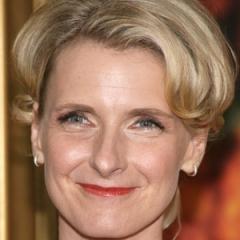
Elizabeth Gilbert
Elizabeth Gilbert is an American author renowned for her best-selling novel 'Eat, Pray, Love'. Born on July 18, 1969, she has achieved widespread acclaim for her compelling storytelling and personal narratives. Gilbert's writing frequently delves into themes of self-discovery and transformation. more
You May Also Like
Source: Nothing's Sacred
“Writer's block is a fancy term made up by whiners so they can have an excuse to drink alcohol.”
Source: Out of the Dust
“All gardening is landscape painting,' said Alexander Pope.”
Source: Wanderlust: A History of Walking
“It is a good thing to be rich and strong, but it is a better thing to be loved.”
Source: Man's Search For Meaning, Gift Edition
Source: The world according to Garp