Quotessence
Home / Quotes / Quote by Thomas de Quincey

Quote by Thomas de Quincey

“If she lived, doubtless we must have been sometimes in search of each other, at the very same moment, through the mighty labyrinths of London; perhaps, even within a few feet of each other - a barrier no wider in a London street, often amounting in the end to a separation for eternity!”

Quote by Thomas de Quincey

Work

Confessions of an English Opium Eater

Browse quotes and source details for this work. more

Author
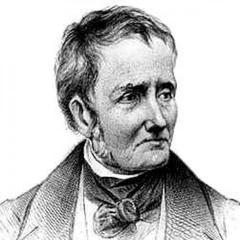
Thomas de Quincey
Thomas de Quincey

Thomas de Quincey was an English essayist and critic, renowned for his personal experiences and philosophical reflections on opium. His work 'On the Use and Abuse of Opium' is one of the most famous autobiographical essays of the 19th century and has had a profound impact on literature and psychology. more

You May Also Like

“She didn’t remember that Enrico hadn’t called back until she woke up in the middle of the night, shooting out of a dream. She squinted in the dark, trying to recall where she’d been--- and then it came back to her. She’d been standing on the cartoon ground in Mexico, rocky and dry and flat, watching a single peach blossom blow across its surface. Birdie chased it, but it was too fast. It blew away from her.”

“Fascia knows where you are in the world; it's loaded with position sensors that contribute to your sense of balance and feeds those bearings directly to that fear-conditioning corner of your brain, the amygdala. Any movement grooved into the fascia feels soothing, gratifying, efficient; try to unlearn it, as any batting coach or ballet teacher will tell you, and you're in for a struggle. New movements, no matter how necessary or logical, just feel wrong.”

“Autumn was a harvest of big-box stores and their back-to-school sales: fruit leather, instant mac 'n' cheese, and bread that we unhusked, crinkling, from its plastic sleeve. My mouth watered for the sweetness of processed wheat sown thick through gas stations from California to New York. Honey Buns and Wonder Breads, in perfect squares and machined circles, and the ripe weight of a Danish, mass-produced, that attempts no fidelity to the country after which it is named--- no country but this one ambered by waves of industrial grain.”