Quotessence
Home / Authors / Baruch Spinoza Books
Baruch Spinoza

Baruch Spinoza Books

Philosopher

Ethics

A source page for quotes linked to Baruch Spinoza.
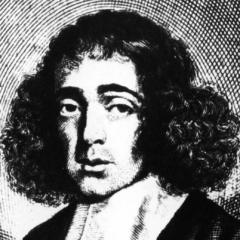
0 quotes

Complete Works

A source page for quotes linked to Baruch Spinoza.

0 quotes

Related Quotes

“After man has persuaded himself that all things which exist are made for him, he must in everything adjudge that to be of the greatest importance which is most useful to him, and he must esteem that to be of surpassing worth by which he is most beneficially affected. In this way he is compelled to form those notions by which he explains nature; such, for instance, as good, evil, order, confusion, heat, cold, beauty, and deformity, etc.; and because he supposes himself to be free, notions like those of praise and blame, sin and merit, have arisen.”

“It will be said that, although God’s law is inscribed in our hearts, Scripture is nevertheless the Word of God, and it is no more permissible to say of Scripture that it is mutilated and contaminated than to say this of God’s Word. In reply, I have to say that such objectors are carrying their piety too far, and are turning religion into superstition; indeed, instead of God’s Word they are beginning to worship likenesses and images, that is, paper and ink.”

“Most of those who have written about the Affects, and men’s way of living, seem to treat, not of natural things, which follow the common laws of nature, but of things that are outside nature. Indeed they seem to conceive man in nature as a dominion within a dominion. For they believe that man disturbs, rather than follows, the order of nature, that he has absolute power over his actions, and that he is determined only by himself.”

“Hay hombres cuyo espíritu es completamente ciego, sea de nacimiento o por prejuicios, es decir, debido a algo externo. En efecto, ni siquiera poseen conciencia de si mismos: si afirman cualquier cosa o dudan de ella, no saben que afirman o que dudan; dicen que no saben nada y hasta declaran ignorar que no saben nada; esto mismo lo dicen con restricción, pues temen confesar que existen, puesto que como nada saben, deben callar por temor de admitir algo que huela a verdad. En definitiva, es preciso abstenerse de hablar de ciencias con ellos (pues en lo concerniente a la vida y a la sociedad la necesidad les fuerza a reconocer su propia existencia, a buscar lo que les es útil, a afirmar y a negar bajo juramento muchas cosas). En efecto, si se les prueba algo, no saben si la argumentación es probatoria o defectuosa; si niegan, conceden u oponen una objeción, no saben que niegan, conceden u objetan; hay que considerarlos, pues, como autómatas enteramente desprovistos de pensamiento.”