Quotessence
Home / Authors / Bryan Stevenson
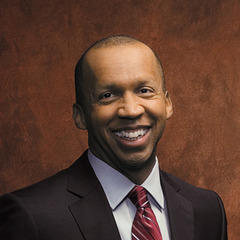
Bryan Stevenson

Bryan Stevenson Quotes

Professor

Filter quotes by topic

Famous Bryan Stevenson Quotes

“Paul Farmer, the renowned physician who has spent his life trying to cure the world's sickest and poorest people, once quoted me something that the writer Thomas Merton said: We are bodies of broken bones. I guess I'd always known but never fully considered that being broken is what makes us human. We all have our reasons. Sometimes we're fractured by the choices we make; sometimes we're shattered by things we would never have chosen. But our brokenness is also the source of our common humanity, the basis of our shared search for comfort, meaning, and healing. Our shared vulnerability and imperfection nurtures and sustains our capacity for compassion. We have a choice. We can embrace our humanness, which means embracing our broken natures and the compassion that remains our best hope for healing. Or we can deny our brokenness, forswear compassion, and, as a result, deny our own humanity.”

“There are hundreds of ways we accommodate physical disabilities--or at least understand them. We get angry when people fail to recognize the need for thoughtful and compassionate assistance when it comes to the physically disabled, but because mental disabilities aren't visible in the same way, we tend to be dismissive of the needs of the disabled and quick to judge their deficits and failures.”

“Paul Farmer, the renowned physician who has spent his life trying to cure the world’s sickest and poorest people, once quoted me something that the writer Thomas Merton said: We are bodies of broken bones. I guess I’d always known but never fully considered that being broken is what makes us human. We all have our reasons. Sometimes we’re fractured by the choices we make; sometimes we’re shattered by things we would never have chosen. But our brokenness is also the source of our common humanity, the basis for our shared search for comfort, meaning, and healing. Our shared vulnerability and imperfection nurtures and sustains our capacity for compassion. We have a choice. We can embrace our humanness, which means embracing our broken natures and the compassion that remains our best hope for healing. Or we can deny our brokenness, forswear compassion, and, as a result, deny our own humanity.”

“...I also reminded people that when the woman accused of adultery was brought to Jesus, he told the accusers who wanted to stone her to death, “Let he who is without sin cast the first stone.” The woman’s accusers retreated, and Jesus forgave her and urged her to sin no more. But today, our self-righteousness, our fear, and our anger have caused even the Christians to hurl stones at the people who fall down, even when we know we should forgive or show compassion. I told the congregation that we can’t simply watch that happen. I told them we have to be stonecatchers.”

“We are all implicated when we allow other people to be mistreated. An absence of compassion can corrupt the decency of a community, a state, a nation. Fear and anger can make us vindictive and abusive, unjust and unfair, until we all suffer from the absence of mercy and we condemn ourselves as much as we victimize others. The closer we get to mass incarceration and extreme levels of punishment, the more I believe it's necessary to recognize that we all need mercy, we all need justice, and-perhaps-we all need some measure of unmerited grace.”