Quotessence
Home / Authors / Edward Bulwer-Lytton, 1st Baron Lytton
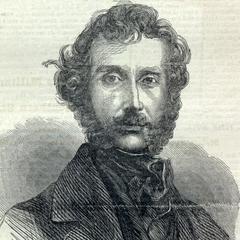
Edward Bulwer-Lytton, 1st Baron Lytton

Edward Bulwer-Lytton, 1st Baron Lytton Quotes

Novelist

Filter quotes by topic

Famous Edward Bulwer-Lytton, 1st Baron Lytton Quotes

“Art itself is essentially ethical; because every true work of art must have a beauty or grandeur of some kind, and beauty and grandeur cannot be comprehended by the beholder except through the moral sentiment. The eye is only a witness; it is not a judge. The mind judges what the eye reports to it; therefore, whatever elevates the moral sentiment to the contemplation of beauty and grandeur is in itself ethical.”

“Nature never gives to a living thing capacities not particularly meant for its benefit and use. If Nature gives to us capacities to believe that we have a Creator whom we never saw, of whom we have no direct proof, who is kind and good and tender beyond all that we know of kindness and goodness and tenderness on earth, it is because the endowment of capacities to conceive a Being must be for our benefit and use; it would not be for our benefit and use if it were a lie.”

“It is a wonderful advantage to a man, in every pursuite or avocation, to secure an adviser in a sensible woman. In woman there is at once a subtle delicacy of tact, and a plain soundness of judgement, which are rarely combined to an equal degree in man. A woman, if she be really your friend, will have a sensitive regard for your character, honor, repute. She will seldom counsel you to do a shabby thing: for a woman friend always desires to be proud of you.”

“It is noticeable how intuitively in age we go back with strange fondness to all that is fresh in the earliest dawn of youth. If we never cared for little children before, we delight to see them roll in the grass over which we hobble on crutches. The grandsire turns wearily from his middle-aged, careworn son, to listen with infant laugh to the prattle of an infant grandchild. It is the old who plant young trees; it is the old who are most saddened by the autumn; and feel most delight in the returning spring.”

“Though no participator in the joy of more vehement sport, I have a pleasure that I cannot reconcile to my abstract notions of the tenderness due to dumb creatures in the tranquil cruelty of angling. I can only palliate the wanton destructiveness of my amusement by trying to assure myself that my pleasure does not spring from the success of the treachery I practise toward a poor little fish, but rather from that innocent revelry in the luxuriance of summer life which only anglers enjoy to the utmost.”