Quotessence
Home / Authors / Jean-Jacques Rousseau
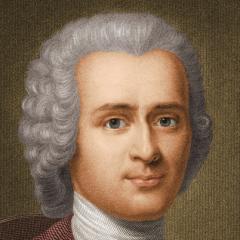
Jean-Jacques Rousseau

Jean-Jacques Rousseau Quotes

Philosopher

Filter quotes by topic

Famous Jean-Jacques Rousseau Quotes

“Tant qu'on désire, on peut se passer d'être heureux ; on s'attend à le devenir : si le bonheur ne vient point, l'espoir se prolonge, et le charme de l'illusion dure autant que la passion qui le cause. Ainsi cet état se suffit à lui-même, et l'inquiétude qu'il donne est une sorte de jouissance qui supplée à la réalité, qui vaut mieux peut-être. Malheur à qui n'a plus rien à désirer ! il perd pour ainsi dire tout ce qu'il possède. On jouit moins de ce qu'on obtient que de ce qu'on espère et l'on n'est heureux qu'avant d'être heureux. En effet, l'homme, avide et borné, fait pour tout vouloir et peu obtenir, a reçu du ciel une force consolante qui rapproche de lui tout ce qu'il désire, qui le soumet à son imagination, qui le lui rend présent et sensible, qui le lui livre en quelque sorte et, pour lui rendre cette imaginaire propriété plus douce, le modifie au gré de sa passion. Mais tout ce prestige disparaît devant l'objet même ; rien n'embellit plus cet objet aux yeux du possesseur ; on ne se figure point ce qu'on voit ; l'imagination ne pare plus rien de ce qu'on possède, l'illusion cesse où commence la jouissance.”

“Un homme était-il éminent en pouvoir, en vertu, en richesses ou en crédit, il fut seul élu magistrat, et l’état devint monarchique. Si plusieurs, à peu près égaux entre eux, l’emportaient sur tous les autres, ils furent élus conjointement, et l’on eut une aristocratie. Ceux dont la fortune ou les talents étaient moins disproportionnés, et qui s’étaient le moins éloignés de l’état de nature, gardèrent en commun l’administration suprême, et formèrent une démocratie.”

“Si nous suivons le progrès de l’inégalité dans ces différentes révolutions, nous trouverons que l’établissement de la loi et du droit de propriété fut son premier terme, l’institution de la magistrature le second, que le troisième et dernier fut le changement du pouvoir légitime en pouvoir arbitraire ; en sorte que l’état de riche et de pauvre fut autorisé par la première époque, celui de puissant et de faible par la seconde, et par la troisième celui de maître et d’esclave, qui est le dernier degré de l’inégalité, et le terme auquel aboutissent enfin tous les autres, jusqu’à ce que de nouvelles révolutions dissolvent tout à fait le gouvernement, ou le rapprochent de l’institution légitime.”

“Yeryüzünde her şey, kesintisiz bir akış halindedir. Hiçbir şey kesin bir biçim almaz ve gözle görülür şeylere bağlanan sevgimiz de, doğallıkla onlarla geçer ya da değişir. Ya arkamızda kalan ya da önden giden bu sevgilerimiz, kimileyin çoğunlukla gerçekleşmeyen geleceği bildirir; bunlarda, gönlümüzün bağlanacağı sağlam bir nesne yok. Onun içindir ki yeryüzünde ancak geçici zevklerle oyalanabiliriz,; sürekli mutluluğun tatlılığına pek inanmam. En derin hazlarımızda bile "Şu anın tükenmez olmasını isterim," diyebileceğimiz dakikalarya var ya yoktur. Öncesinin özlemini ve sonrasının isteğini çektirip yüreğimizde boşluk ve kaygı bırakan geçici ruh durumuna nasıl mutluluk diyebiliriz.”

“Ruhun tümüyle dayanabileceği, geçmişi anımsamaksızın ve geleceğe el uzatmaksızın bütün benliğini toplayabileceği; zamanı hiçe sayabileceği; var olmaktan başka, yoksulluk hazzına da, zevkin ve üzüntünün, isteğin ve korkunun gereksinime duyulamayacağı bir durum varsa, bu durum sürdükçe herkes, yaşamın eğlencelerinde bulunan eksik, yoksul ve görece bir mutluluğa değil de ruhta doldurmak gereği duyulan hiçbir boşluk bırakmayan olgunlaşmış ve yetkin bir mutluluğa kavuştuğunu söyleyebilir. Böyle bir durumda neden zevk alınır? Sanırım dışımızdan, kendimizden başka, yaşamımızdan başka şeylerden değil; insan yaşadıkça, Tanrı gibi, kendine yeter. Herhangi bir bağı olmayan yaşama duygusu, değeril bir hoşnutluk ve erinçlik duygusudur; boyuna aklımızı çelen, yaşamın tadını kaçıran kösnül ve maddesel duygulardan sıyrılmasını bilenler için, güzel ve tatlıdır. Ama, ardı arkası gelmez tutkularla çalkalanan insanların çoğu bu ruh durumunu bilmez; a da o denli az bilir ki tadına varamazlar. Dahası, bu tatlı kendinden geçmeleri isteyerek, gereksinimleri durmaksızın değişen yaşamdan iğrenmeleri, bugünkü koşullarda doğru değildir. Ama toplumdan dışlanan ve yeryüzünde ne kendisine ne de başkalarına yarayacak bir şey yapabilen bir mutsuz, talihin ve benzerlerinin elinden alamayacağı bir tür mutluluk bulur.”

“Çevremizde her şey değişir. Kendimiz de değişiriz ve kimse bugün sevdiğini yarın da seveceğinden emin olamaz. Böylece şu dünyayla ilgili mutluluk tasarılarımız hep ham düşlemlerdir. Gönül rahatına kavuştuğumuz zaman, zevkine varalım; kendi kusurumuzla onu kaçırmayalım; ama onu bağlamayı düşünmek de bir çılgınlıktır. Mutlu olan az kişi gördüm, belki de görmedim; ama, gönlü hoşnut kimselere sık sık rastlarım. Mutluluğumun dış belirtileri yoktur; onu keşfetmek için mutlu insanın yüreğindekini görebilmeli.”

“Bütün bu bitki inceleme gezilerim, dikkatimi çeken şeylerin bulunduğu yeren aldığım türlü izlenimler ve yol açtığı düşünceler, bunlara karışan olayların tümü, bende aynı yerlerde toplanan otlarla karşılaşıca tazelenen duygular bıraktı. Yüreğime, her zaman duygululuk veren o güzel görünümleri, ormanları, gölleri, korulukları, kayaları, dağları, bir daha göremeyeceğim; ancak, kendimi yeniden orada düşünmek için ot ve kök koleksiyonumu açmak yeter. Bu benim için bir tür anı defteridir. Beni bitkibilime bağlayan, dolaylı düşünceler zinciridir ki imgelemime onun en çok hoşlandığı düşünceleri toplayarak anımsatır: çayırlar, sular, ormanlar ve bütün bunların içinde bulunabilinen yalnızlık, sessizlik ve hele erinci belleğimde hep canlandırmaktır. Böylece, insanların bana yönelmiş kıyıcılığını, onlardan gördüğüm nefreti, düşmanlığı, kötü davranışları; kendilerine gösterdiğim sevginin ve içten bağların karşılığı olarak yaptıkları kötülükleri unutturuyor, beni eskiden birlikte yaşadığım insanlar gibi iyi ve sıradan insanlara, sessiz evlere bir kez daha, götürür gibi oluyor, bundan duyduğum hazzı tazeleyerek bir ölümlünün duyabileceği en kötü talihin içinde bile, hala mutlu ediyor.”

“Russia will never be really civilized, because it was civilized too soon. Peter has a genius for imitation; but he lacked true genius, which is creative and makes all from nothing. ... His first wish was to make Germans or Englishmen, when he ought to have been making Russians; and he prevented his subjects from ever becoming what they might have been by persuading them that they were what they are not.”

“People who know little are usually great talkers, while men who know much say little. It is plain that an ignorant person thinks everything he does know important, and he tells it to everybody. But a well-educated man is not so ready to display his learning; he would have too much to say, and he sees that there is much more to be said, so he holds his peace.”

“Our passions are the chief means of self-preservation; to try to destroy them is therefore as absurd as it is useless; this would be to overcome nature, to reshape God's handiwork. If God bade man annihilate the passions he has given him, God would bid him be and not be; He would contradict himself. He has never given such a foolish commandment, there is nothing like it written on the heart of man, and what God will have a man do, He does not leave to the words of another man. He speaks Himself; His words are written in the secret heart.”

“At Genoa, the word Liberty may be read over the front of the prisons and on the chains of the galley-slaves. This application of the device is good and just. It is indeed only malefactors of all estates who prevent the citizen from being free. In the country in which all such men were in the galleys, the most perfect liberty would be enjoyed.”

“Once you teach people to say what they do not understand, it is easy enough to get them to say anything you like. v One could wish no easier death than that of Socrates, calmly discussing philosophy with his friends; one could fear nothing worse than that of Jesus, dying in torment, among the insults, the mockery, the curses of the whole nation. In the midst of these terrible sufferings, Jesus prays for his cruel murderers. Yes, if the life and death of Socrates are those of a philosopher, the life and death of Christ are those of a God.”