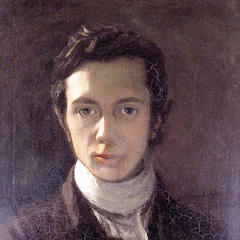
Filter quotes by topic
Famous William Hazlitt Quotes
Source: Table-talk: Or Original Essays
Source: The Round Table. A collection of Essays ... By W. H. and Leigh Hunt
Source: The Round Table. A collection of Essays ... By W. H. and Leigh Hunt
Source: Characteristics: in the manner of Rochefoucault's Maxims [by W. Hazlitt].
“There is nothing good to be had in the country, or if there is, they will not let you have it.”
Source: Delphi Collected Works of William Hazlitt (Illustrated)
Source: The Round Table. A collection of Essays ... By W. H. and Leigh Hunt
Source: The Round Table. A collection of Essays ... By W. H. and Leigh Hunt
Source: The Round Table. A collection of Essays ... By W. H. and Leigh Hunt
Source: Delphi Collected Works of William Hazlitt (Illustrated)
Source: Delphi Collected Works of William Hazlitt (Illustrated)
Source: Characteristics: in the manner of Rochefoucault's Maxims [by W. Hazlitt].
Source: Characteristics: in the manner of Rochefoucault's Maxims [by W. Hazlitt].
“If you give an audience a chance they will do half your acting for you.”
Source: Sketches and Essays
“If the world were good for nothing else, it is a fine subject for speculation.”
Source: Characteristics: in the manner of Rochefoucault's Maxims [by W. Hazlitt].
Source: Essays
Source: Delphi Collected Works of William Hazlitt (Illustrated)
Source: Literary Remains of the Late William Hazlitt: With Notice of His Life
Source: Characteristics: in the manner of Rochefoucault's Maxims [by W. Hazlitt].
Source: Delphi Collected Works of William Hazlitt (Illustrated)
“If a person has no delicacy, he has you in his power.”
Source: Essays: On self-love. On the conduct of life: or, Advice to a school-boy. On the fine arts. The fight. On want of money. On the feeling of immortality in youth. The main-chance. The opera. Of persons one would wish to have seen. My first acquaintance with poets. The shyness of scholors. The Vatican. On the spirit of monarchy
Source: Table-talk Or Original Essays. - London, Colburn 1822
“If you think you can win, you can win. Faith is necessary to victory.”
Source: Delphi Collected Works of William Hazlitt (Illustrated)
Source: Delphi Collected Works of William Hazlitt (Illustrated)
Source: Characteristics: in the manner of Rochefoucault's Maxims [by W. Hazlitt].
“An orator can hardly get beyond commonplaces: if he does he gets beyond his hearers.”
Source: Table Talk: Essays on Men and Manners
Source: Sketches and Essays
“If mankind had wished for what is right, they might have had it long ago.”
Source: Delphi Collected Works of William Hazlitt (Illustrated)
Source: Delphi Collected Works of William Hazlitt (Illustrated)
Source: The Round Table. A collection of Essays ... By W. H. and Leigh Hunt