Source: Table-talk: Or Original Essays
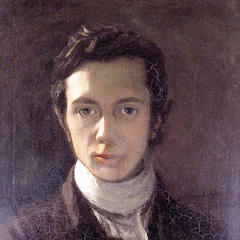
Filter quotes by topic
Famous William Hazlitt Quotes
Source: Liber Amoris and Related Writings
Source: Delphi Collected Works of William Hazlitt (Illustrated)
Source: The Round Table. A collection of Essays ... By W. H. and Leigh Hunt
“The art of life is to know how to enjoy a little and to endure very much.”
Source: The Round Table. A collection of Essays ... By W. H. and Leigh Hunt
Source: The Collected Works of William Hazlitt: Fugitive writings
Source: Delphi Collected Works of William Hazlitt (Illustrated)
Source: Essays
Source: Table talk
Source: Characteristics: in the manner of Rochefoucault's Maxims [by W. Hazlitt].
Source: The plain speaker: opinions on books, men, and things [by W. Hazlitt].
Source: Table Talk: Opinions on Books, Men, and Things
Source: The Plain Speaker: Opinions on Books, Men, and Things
“A man knows his companion in a long journey and a little inn.”
Source: Delphi Collected Works of William Hazlitt (Illustrated)
Source: Delphi Collected Works of William Hazlitt (Illustrated)
“Learning is the knowledge of that which none but the learned know.”
Source: Table-talk: Or Original Essays
Source: Sketches and Essays by W. H. Now first collected [and edited] by his son