“History in its broadest aspect is a record of man's migrations from one environment to another.”
Quote by Ellsworth Huntington
Work
A Chronicle of Aboriginal America: Juvenile History - - American
A Chronicle of Aboriginal America: Juvenile History - - American is a historical account tailored for young readers, exploring the history of Native American tribes and their experiences in the United States. The book aims to provide an accessible introduction to the diverse cultures and significant historical moments of the Aboriginal peoples of America. more
Author
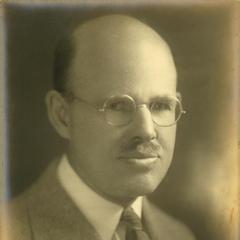
Ellsworth Huntington
Ellsworth Huntington was a prominent geographer, anthropologist, and archaeologist who made significant contributions to the fields of geography, anthropology, and archaeology. Born on September 16, 1876, and passing away on October 17, 1947, Huntington is known for his in-depth research on the relationship between geographical environment and human behavior. more
You May Also Like
Source: A Chronicle of Aboriginal America: Juvenile History - - American
Source: Is intelligence important?
“Man not only survives and functions in his environment, he shapes it and he is shaped by it.”
Source: Only One Earth: The Care and Maintenance of a Small Planet: an Unofficial Report Commissioned by the Secretary-General of the United Nations Conference on the Human Environment
Source: The Red Man's Continent: A Chronicle of Aboriginal America
Source: Earth in the Balance: Forging a New Common Purpose
Source: Earth in the Balance: Forging a New Common Purpose
Source: The Systems View of Life: A Unifying Vision
Source: Democracy And Education