Quotessence
Home / Authors / Orson Scott Card
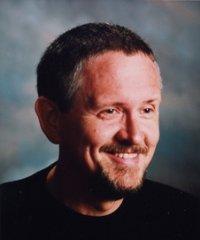
Orson Scott Card

Orson Scott Card Quotes

Novelist

Filter quotes by topic

Famous Orson Scott Card Quotes

“You were baptized?" "My sister told me that yes, Father baptized me shortly after birth. My mother was a Protestant of a faith that deplored infant baptism, so they had a quarrel about it." The Bishop held out his hand to lift the Speaker to his feet. The Speaker chuckled. "Imagine. A closet Catholic and a lapsed Mormon, quarreling over religious procedures that they both claimed not to believe in.”

“—No me digas «No, Ender». He tardado mucho tiempo en darme cuenta de ello, pero créeme, me odiaba, me odio. Y todo se reduce a esto: en el momento en el que entiendo a mi enemigo, en el momento en el que le entiendo lo suficientemente bien como para derrotarle, entonces, en ese preciso instante, también le quiero. Creo que es imposible entender realmente a alguien, saber lo que quiere, saber lo que cree, y no amarle como se ama a sí mismo. Y entonces, en ese preciso momento, cuando le quiero... —Le vences. —No, no lo entiendes. Le destruyo. Hasta que le resulta imposible volver a hacerme daño. Lo trituro más y más hasta que no existe.”

“Valentine went back to class without answering. That night Demosthenes published a scathing denunciation of the population limitation laws. People should be allowed to have as many children as they like, and the surplus population should be sent to other worlds, to spread mankind so far across the galaxy that no danger, no invasion could ever threaten the human race with annihilation. "The most noble title any child can have," Demosthenes wrote, "is Third.”

“There's always moral instruction whether the writer inserts it deliberately or not. The least effective moral instruction in fiction is that which is consciously inserted. Partly because it won't reflect the storyteller's true beliefs, it will only reflect what he BELIEVES he believes, or what he thinks he should believe or what he's been persuaded of. But when you write without deliberately expressing moral teachings, the morals that show up are the ones you actually live by. The beliefs that you don't even think to question, that you don't even notice-- those will show up. And that tells much more truth about what you believe than your deliberate moral machinations.”

“History is a chaotic system. The details can shift endlessly, but the overall shape remains constant. Make a small change in the past, and it changes enough details in the present that we would not have come together at exactly this place and time to watch exactly this scene. And yet the great movements of history would be largely unchanged.”

“What are you reading?" Polonius asked. "Words, words, words," said Hamlet. "And what's the subject?" "Lesser than the king, but still not nothing." It took Polonius a moment to realize he had answered another meaning of 'subject.' "I mean what do you read about?" "All in a line, back and forth." said Hamlet. "I go from left to right with my mind full, and then must drop it there and head back empty-headed to the left side again, and take up another load to carry forward. It's a most tedious job, and when I'm done, there are all the letters where I found them, unchanged despite my having carried them all into my head.”

“Puede que sea imposible disfrazarse con una identidad sin convertirse en lo que se finge ser. Pensó en eso, le preocupó durante algunos días, y entonces escribió una columna utilizándolo como premisa para demostrar que los políticos que lisonjeaban a los rusos para mantener la paz acabarían inevitablemente supeditados a ellos. Fue una encantadora dentellada al partido en el poder, y recibió una gran cantidad de cartas de apoyo. Además, dejó de asustarle la idea de convertirse, en cierto grado, en Demóstenes. "Es más listo que Peter, y siempre lo creí así", pensó.”

“But in the military you don't get trusted positions just because of your ability. You also have to attract the notice of superior officers. You have to be liked. You have to fit in with the system. You have to look like what the officers above you think that officers should look like. You have to think in ways that they are comfortable with. The result was that you ended up with a command structure that was top-heavy with guys who looked good in uniform and talked right and did well enough not to embarrass themselves, while the really good ones quietly did all the serious work and bailed out their superiors and got blamed for errors they had advised against until they eventually got out. That was the military.”

“Paciencia: Hay gente que hace cosas por miedo al látigo. Hay gente que hace cosas por temor a perder sus familias o sus vidas. Hay gente a la cual es posible comprar y vender. ¿Acaso no son esclavos? - Voluntad: Son esclavos de sus pasiones. Su miedo les gobierna. ¿Qué poder tienes sobre mi si tu látigo no me da miedo? ¿Soy tu esclavo si no temo perder a mi familia? Te obedezco de forma completa y fiel porque así lo he escogido: ¿soy tu esclavo? Y cuando llegas a odiarme porque soy libre y mi libertad es mayor que la tuya, y me ordenas hacer lo que no pienso hacer, entonces me alzo ante ti y no obedezco. Castígame entonces; he escogido ser castigado. Y si el castigo es superior a lo que estoy dispuesto a consentir, entonces usaré cuanta fuerza sea necesaria para hacer que pares de castigarme, y no más. Pero nunca, ni por un instante, he hecho nada que no haya escogido hacer voluntariamente.”

“Graff had isolated Ender to make him struggle. To make him prove, not that he was competent, but that he was far better than everyone else. That was the only way he could win respect and friendship. It made him a better soldier then he would ever have been otherwise. It also made him lonely, afraid, angry, untrusting. And maybe those traits, too, made him a better soldier.”

“I had the foolish idea that we should test for desirable and useful traits so that we could assemble ideally balanced teams to the colonies. [...] It's like those foolish attempts to control immigration to America based on the traits that were deemed desirable, when in fact the only trait that defines Americans historically is "descended from somebody willing to give up everything to live there.”