Quotessence
Home / Authors / Stewart D. Friedman Books
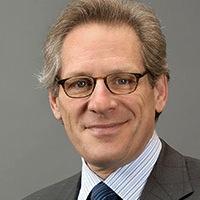
Stewart D. Friedman

Stewart D. Friedman Books

Author

No books found for this author.

Related Quotes

“In my teaching and consulting practice, I encourage people to learn to experiment with confidence and to see themselves as scientists in the laboratory of their lives, continually trying new ways to pursue what matters most to them and to the people who depend on them. Smart, small wins are crucial to this approach, as is devoting time and attention to reflecting on what works and what doesn't.”

“The key to overcoming resistance to change is to frame your actions and continually adjust them as you move forward to so that those who might be affected by any changes see them as useful and beneficial for them. This isn't as hard as it sounds. You just have to be vigilant in paying attention to how you're influencing the lives of people who matter.”

“Boundaries are shifting between work and the rest of life for men and for women at different life stages. Work is becoming home and home is becoming work. The progressive CEOs who grasp this emergent reality and adjust to embrace it will be at a competitive advantage in the marketplace for talent.”

“At the individual level, you need to examine what you truly value, share this with key stakeholders in various life domains both to get feedback and support, and then to experiment with new ways of doing things so that - over the arc of a life - you can achieve harmony and have more of what it is that you uniquely want out of life.”

“There are many structural changes, both in organizational practice and social policy, that must also change to enable men and women to have the freedom and support to pursue the lives they want to lead. Fortunately, many more people are today engaged in these efforts than when started working on this issue decades ago.”

“My research and practice indicates that people need to be doing work they love and to love the work they do. They need to feel that their efforts matter for the people and causes about which they really care. Further, they need to be doing work with people they respect and enjoy. Finally, they need to feel free to choose where, when and how it all gets done. It's not easy to put these conditions in place, but it is certainly possible to do so, as I have seen and shown in my work in organizations and communities using the Total Leadership approach.”